
05.02.2026
Climate Resilience and Financial Literacy Training for Smallholder Farmers held in Goychay District, Azerbaijan
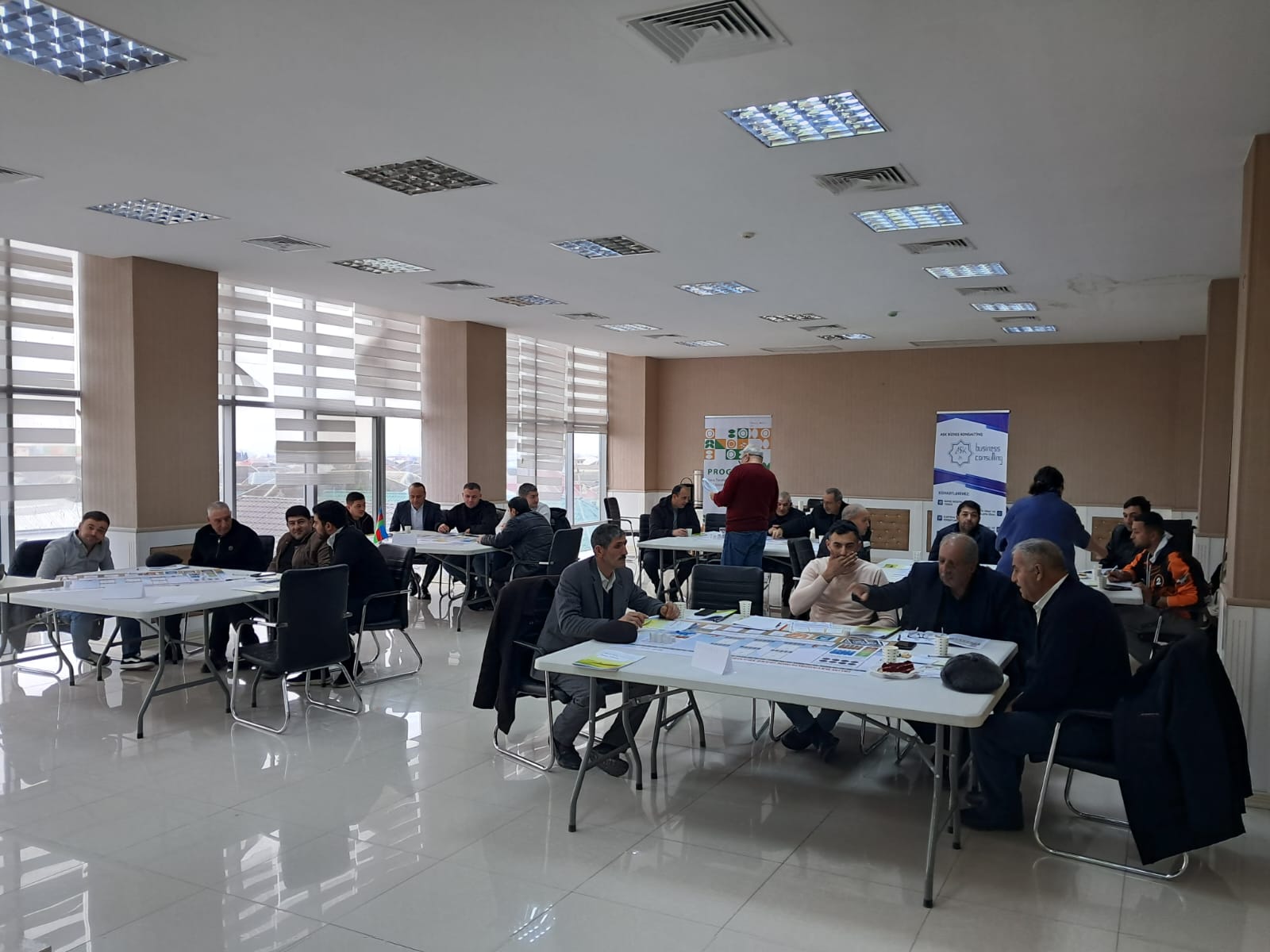
Within the framework of the PROGRESS project, implemented by a consortium led by the GIZ, a follow-up training aimed at enhancing financial literacy and climate change awareness among smallholder farmers was organized by the German Sparkassenstiftung for International Cooperation (DSIK) in cooperation with the Azerbaijan Entrepreneurs Confederation (ASK).
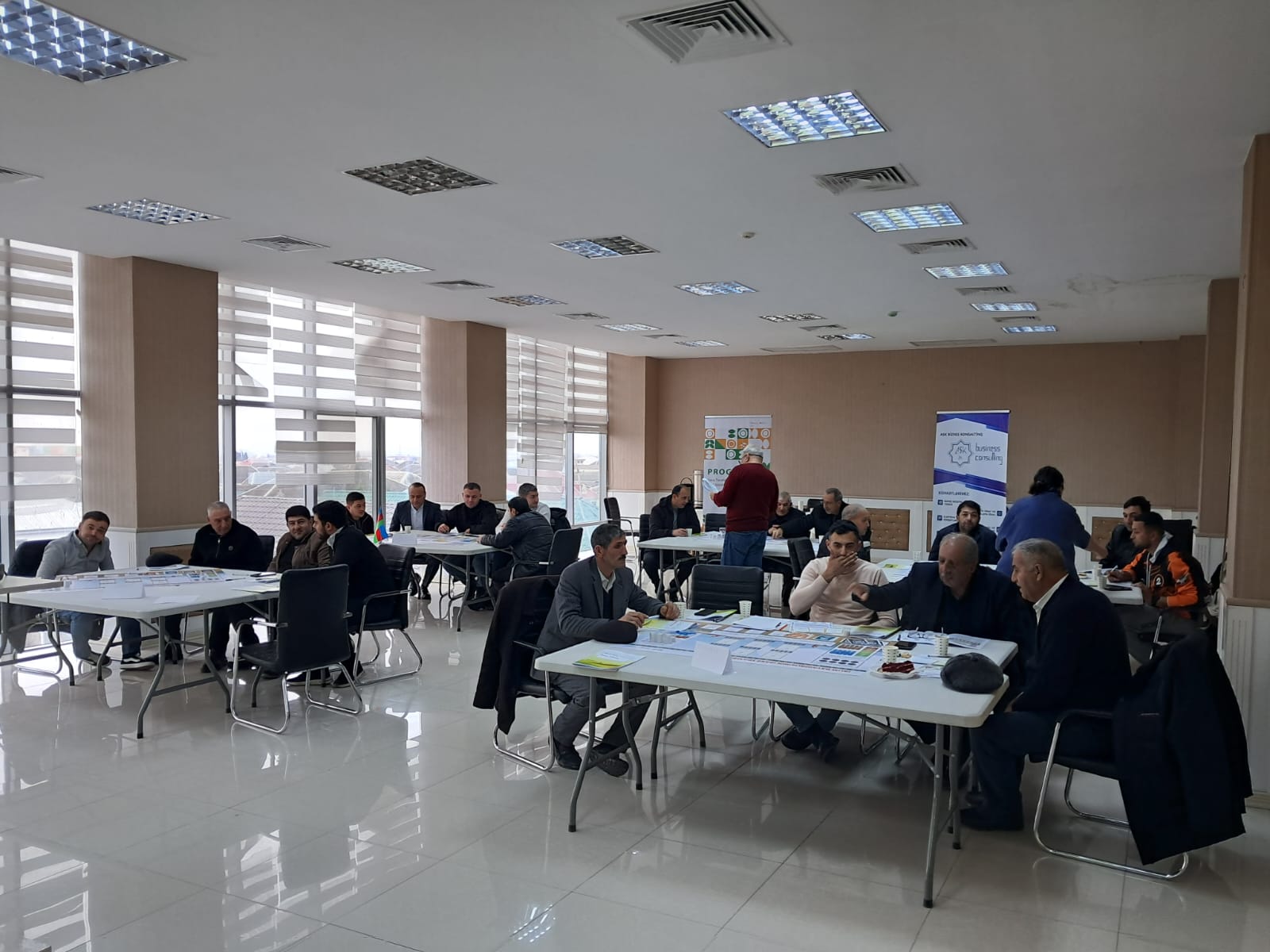
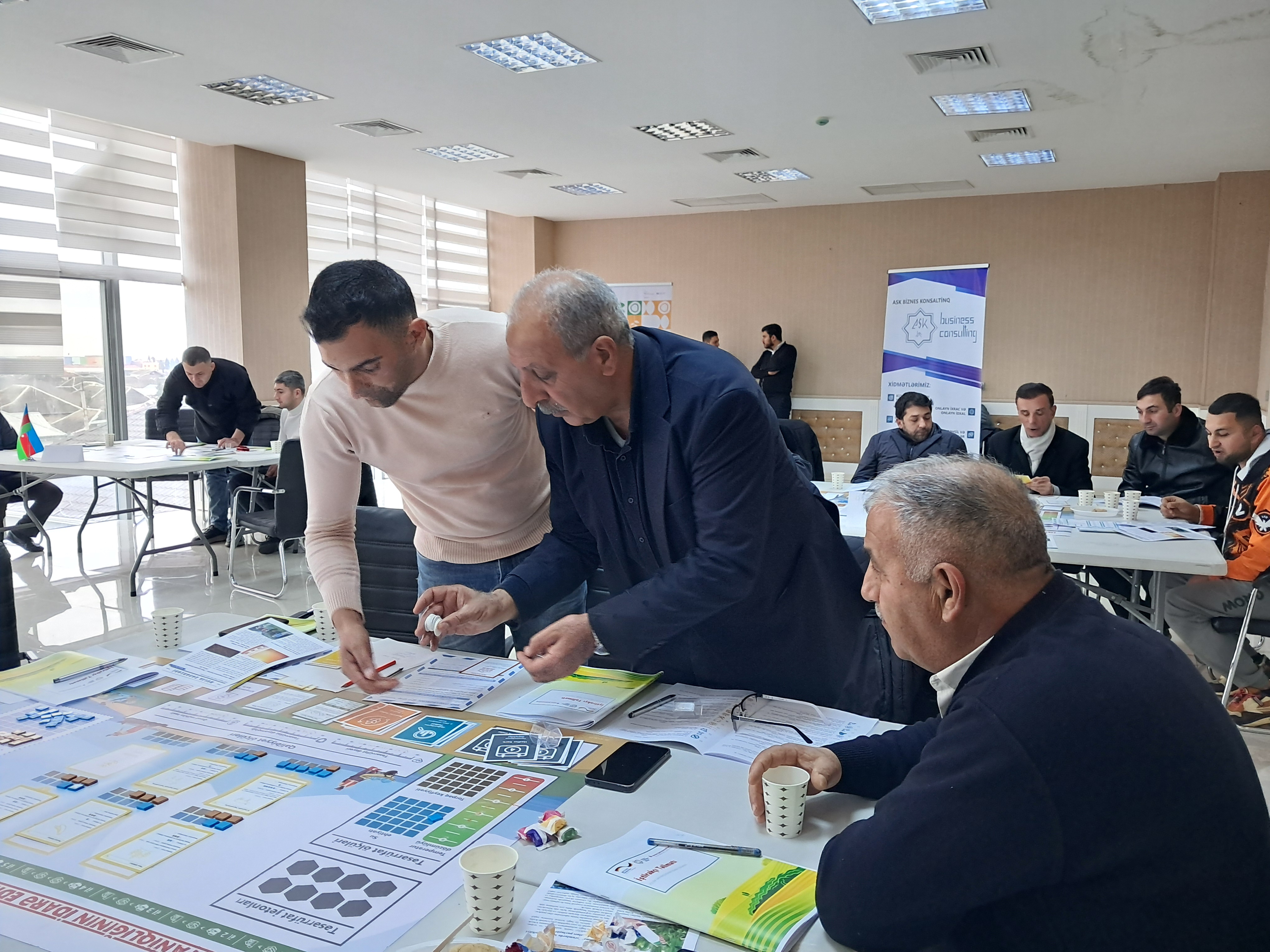
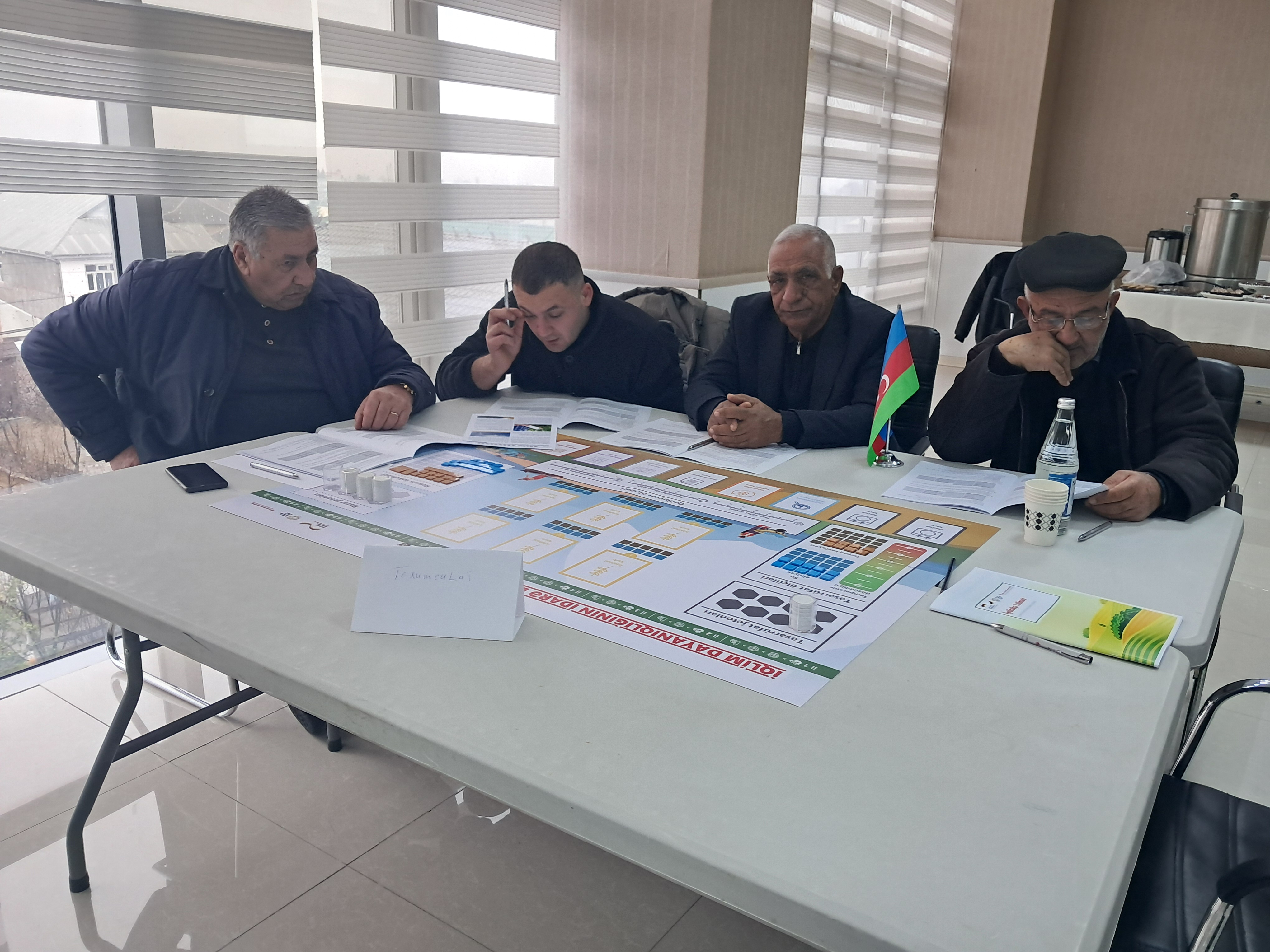
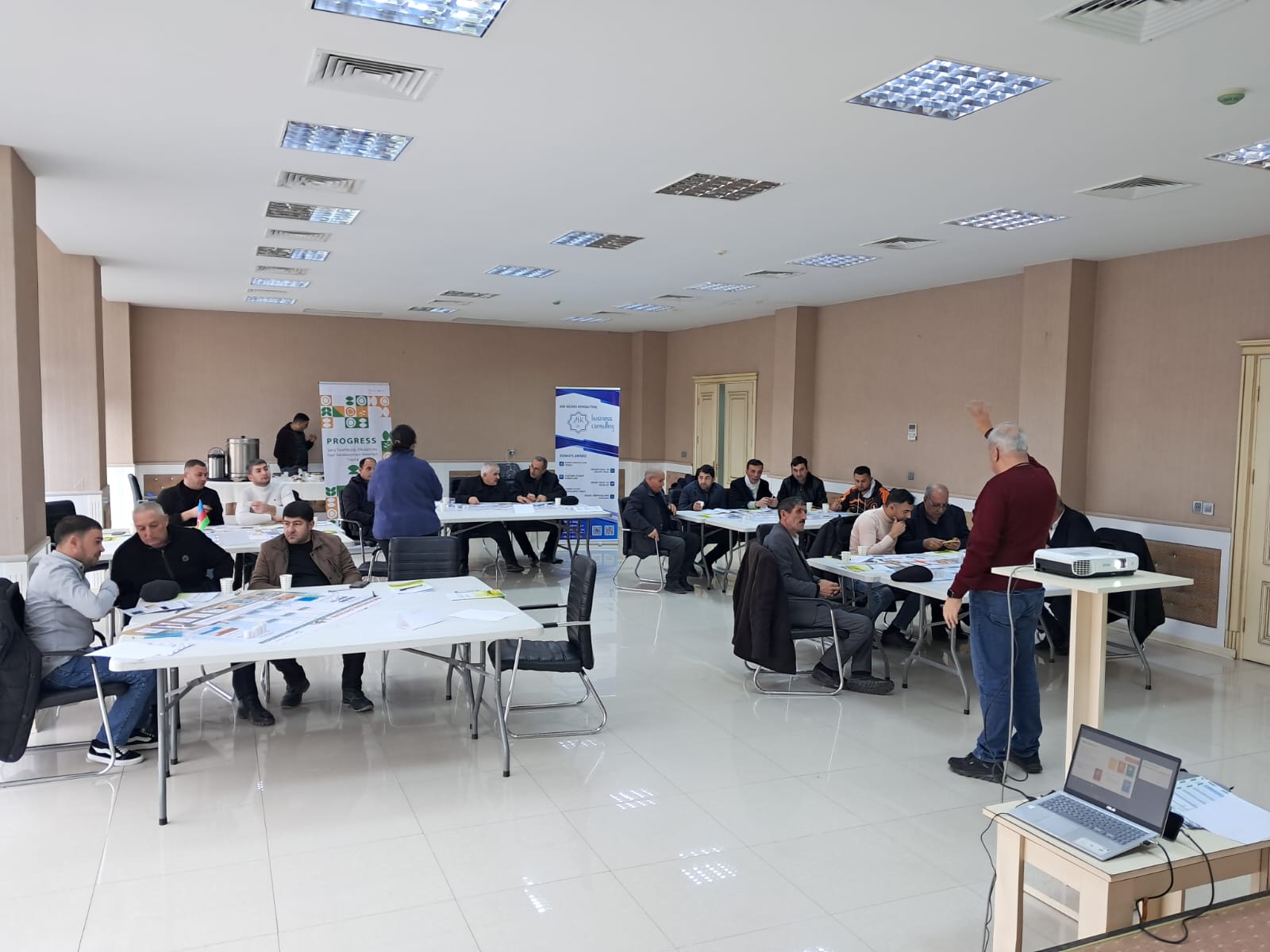
The training, entitled “Managing Climate Resilience for Farmers and MSMEs,” took place on 4–5 February 2026 in the Goychay district. A total of 32 local farmers, from various villages of the district, took part in the two-day event.
During the training, participants received comprehensive information on the impacts of climate change on agriculture - particularly on smallholder farms and local businesses - as well as on climate adaptation approaches, financial instruments to strengthen farm resilience, risk management practices, and informed decision-making mechanisms. The sessions were conducted in an interactive format, encouraging active participation and open discussions.
During the discussions, farmers highlighted that climate change-related phenomena such as droughts, hailstorms, heavy rainfall, rising temperatures, and increasing pest pressure have caused significant economic losses to their farms. It was noted that fruit production is the dominant agricultural sector in the Goychay region, and that higher temperatures - especially in persimmon orchards - lead to premature ripening of fruits, negatively affecting taste and overall product quality.
Further discussions revealed that farmers have limited awareness and practical knowledge of agricultural insurance schemes, available financing instruments for agriculture, and business plan development. Participants also emphasized the challenges of competing with large-scale producers, limited export opportunities due to high production costs, and the urgent need for more structured and targeted support for micro, small, and medium-sized enterprises (MSMEs).
The training on “Managing Climate Resilience for Farmers and MSMEs” made a significant contribution to improving participants’ preparedness for climate risks, increasing their understanding of financial tools, and supporting more sustainable and forward-looking business decisions.
Similar trainings on these topics are planned to be organized in other regions of Azerbaijan. These initiatives aim to strengthen economic resilience in rural areas, enhance adaptation to climate change, and contribute to the sustainable development of local communities.