
09.06.2026
Growing Climate Resilience: Ukrainian Farmers and Experts Advance Sustainable Crop Protection
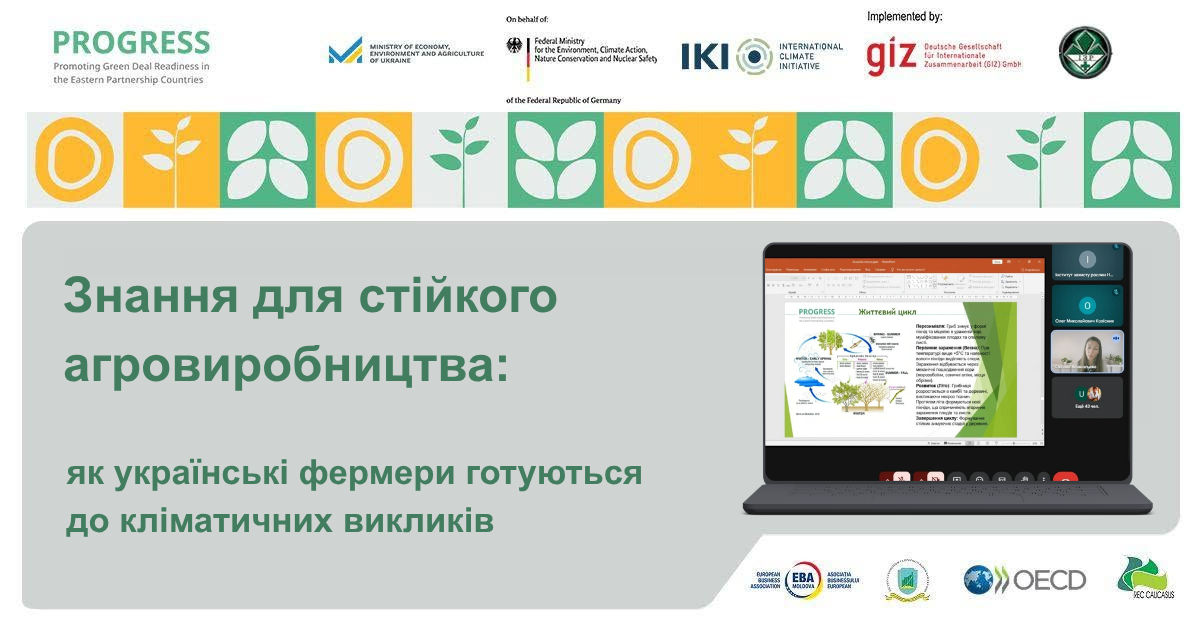
More than 100 farmers, researchers, agribusiness professionals, educators, and public sector representatives from across Ukraine participated in a four-day online training programme on Integrated Pest Management (IPM) under climate change conditions, held from 9-12 June 2026. Organized by the Institute of Plant Protection of the National Academy of Agrarian Sciences of Ukraine (IPP NAAS) within the framework of the PROGRESS, the initiative responded to the increasing need for practical and science-based solutions that help agricultural producers adapt to evolving environmental challenges.
Climate change is creating new pressures on agricultural systems worldwide, including the spread of invasive pests, changing disease patterns, and shifts in pest development cycles. These challenges require innovative approaches that combine productivity with sustainability. Integrated Pest Management has emerged as a key tool for addressing these issues, helping farmers reduce environmental impacts while maintaining healthy and productive crops.
Four Days Dedicated to Four Crops
The training programme was structured around four crop groups:
-
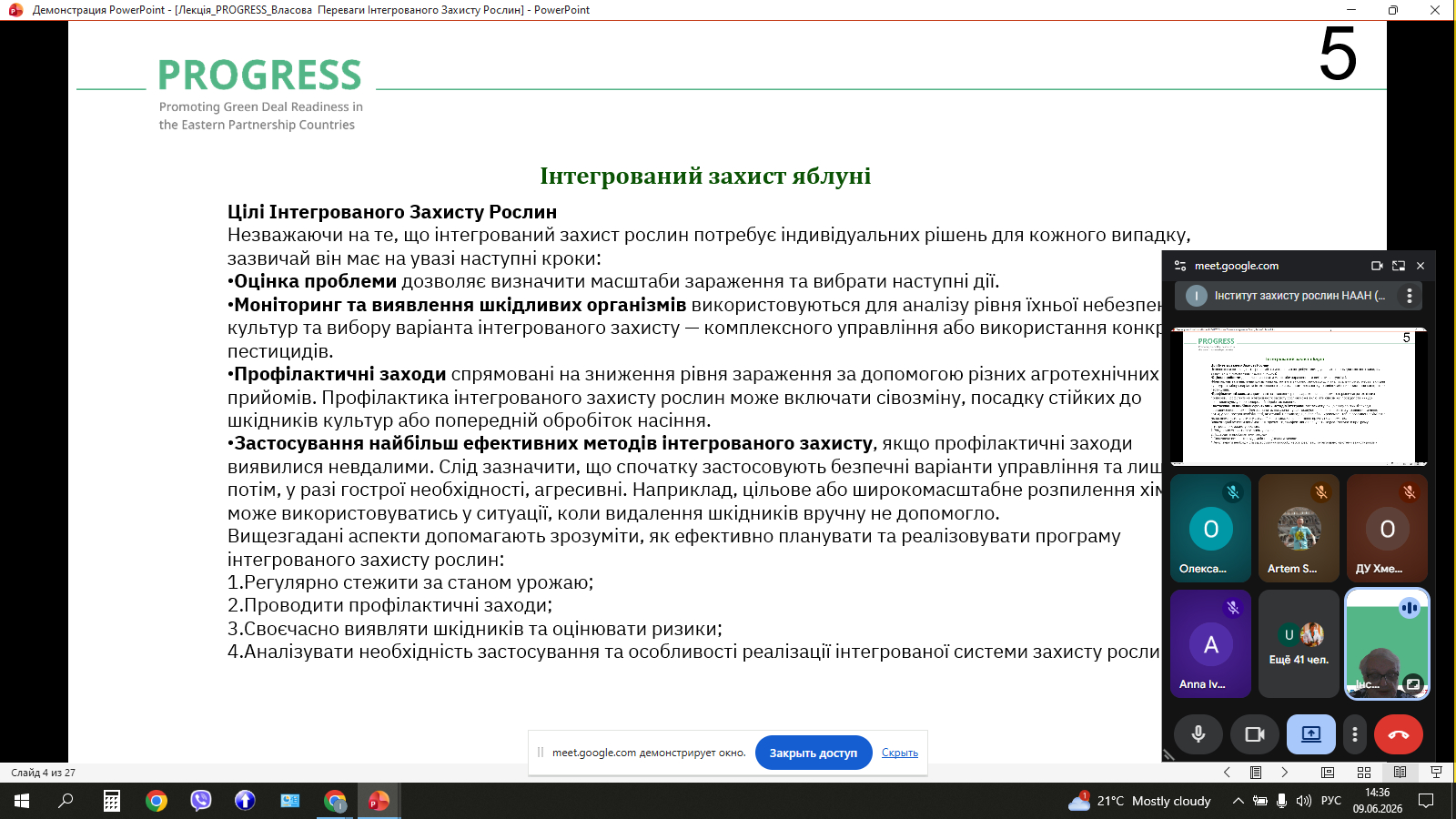
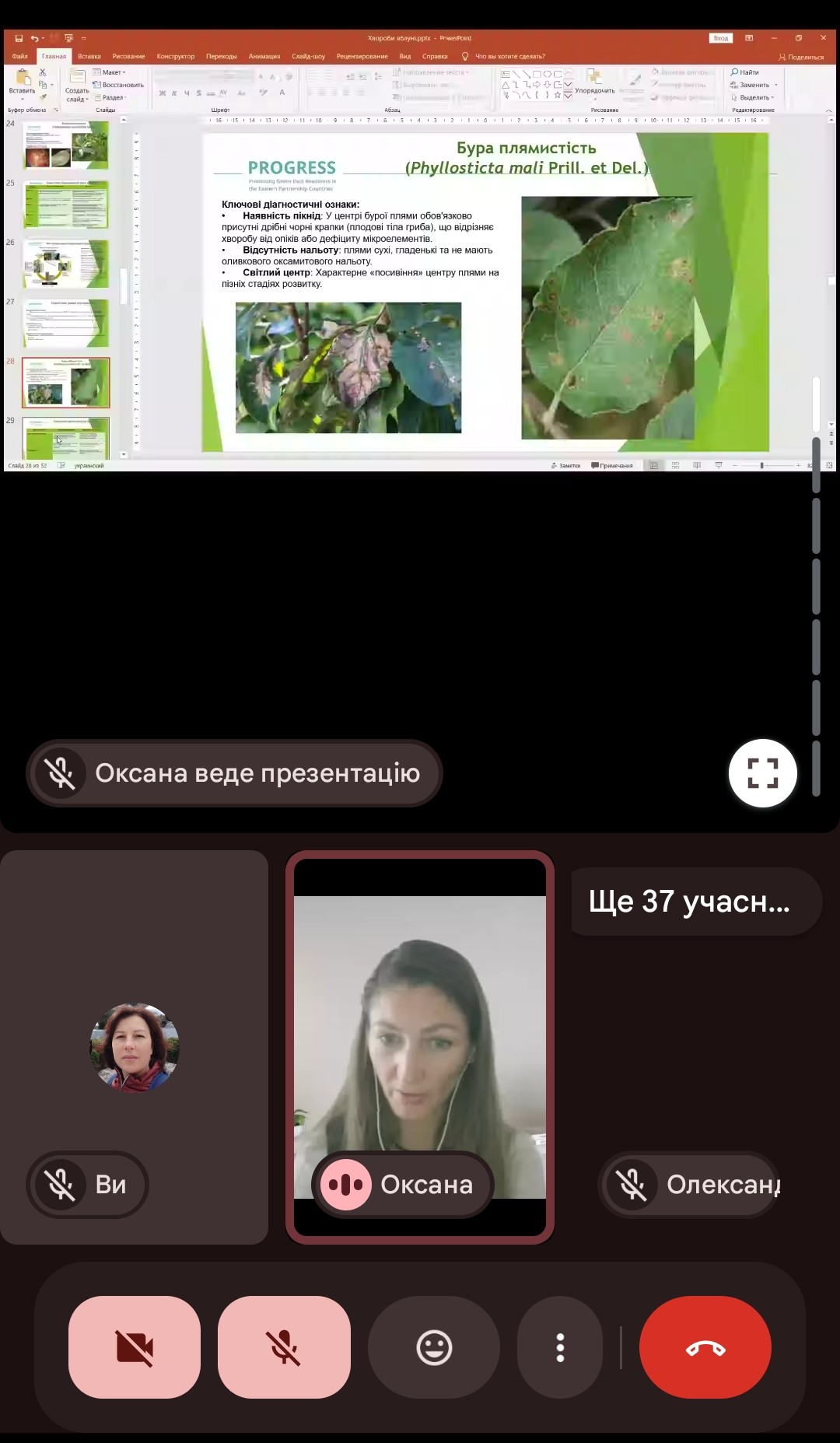
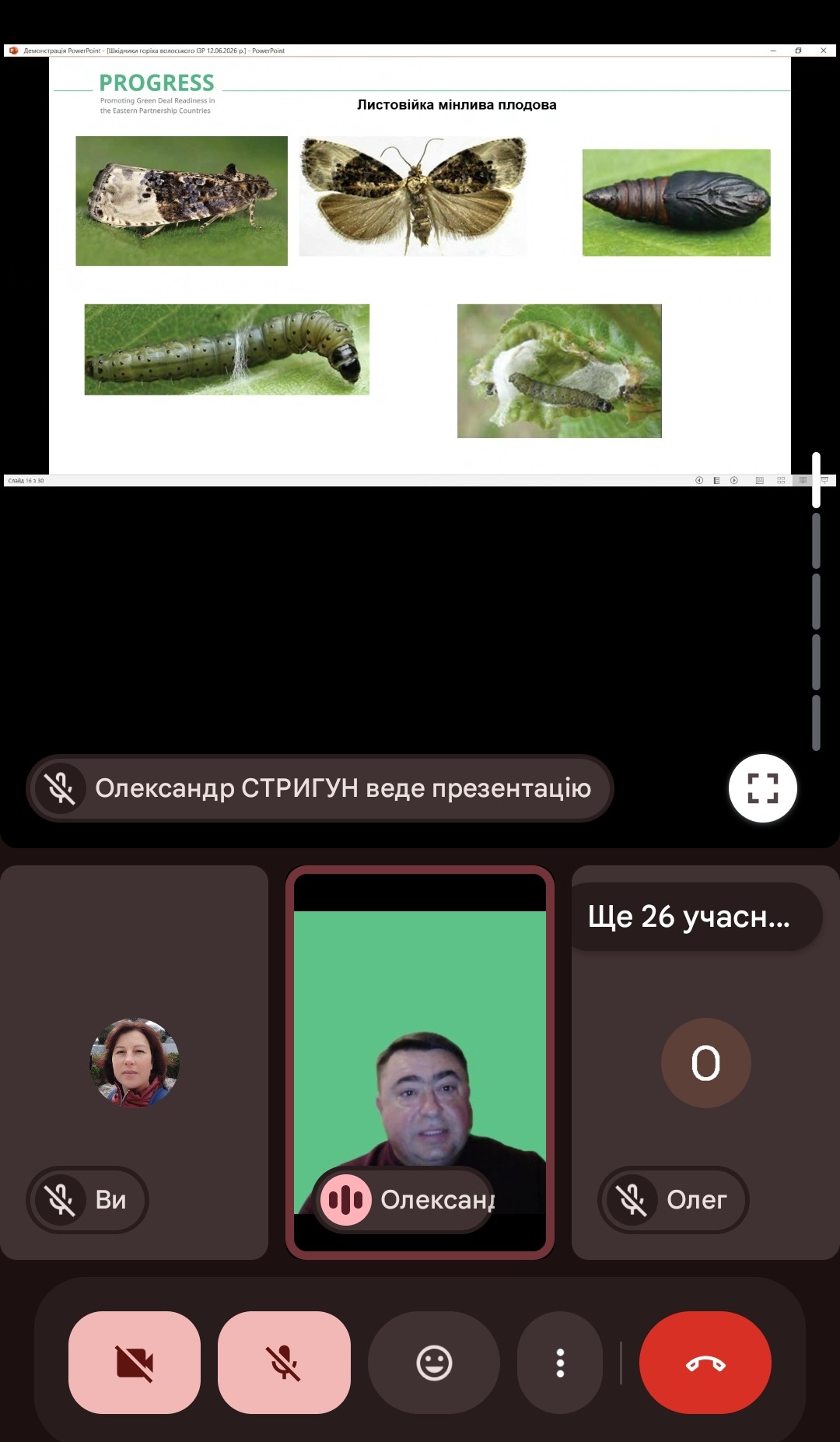
Apples – 9 June 2026
-
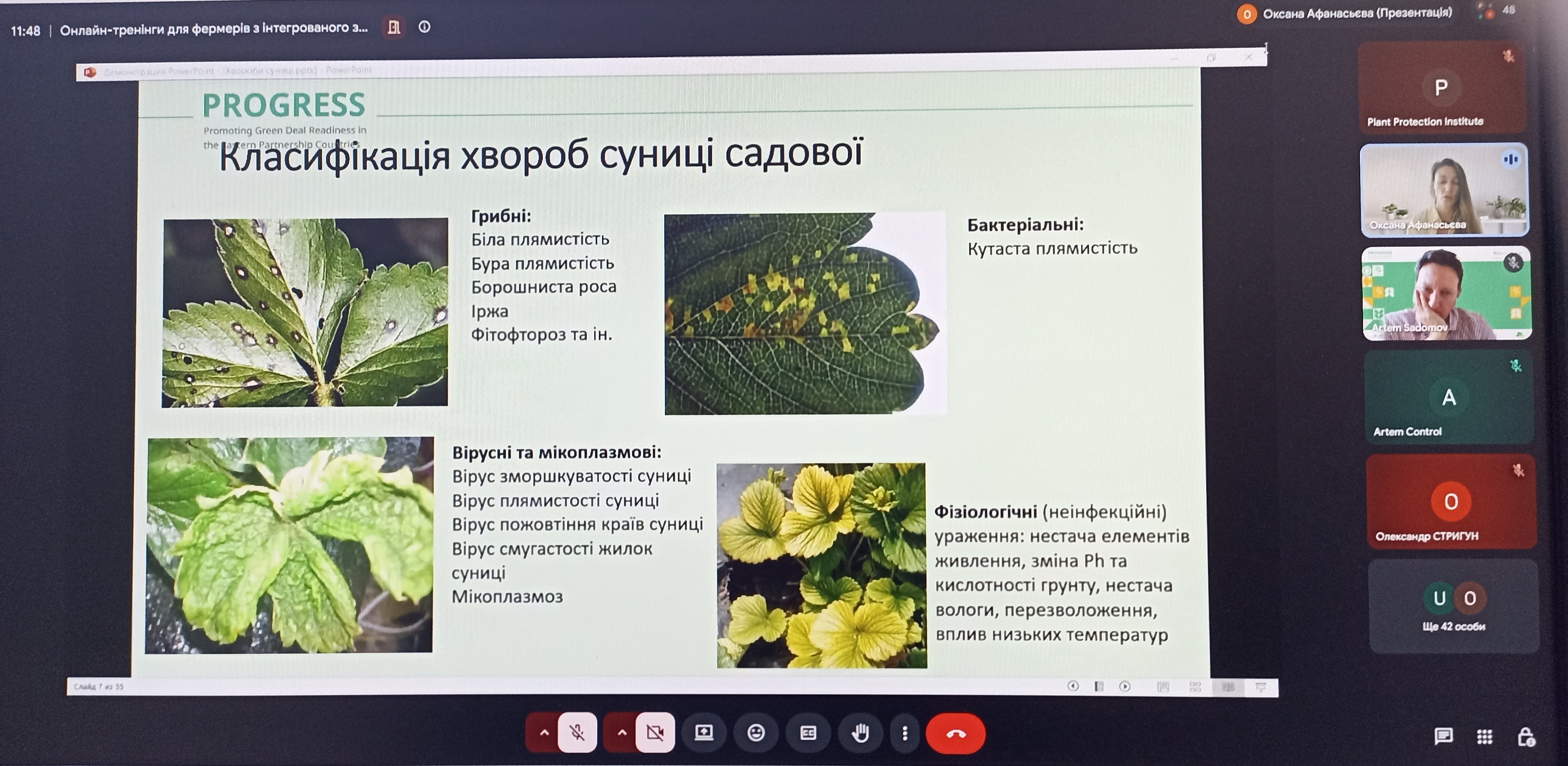
Strawberries – 10 June 2026
-
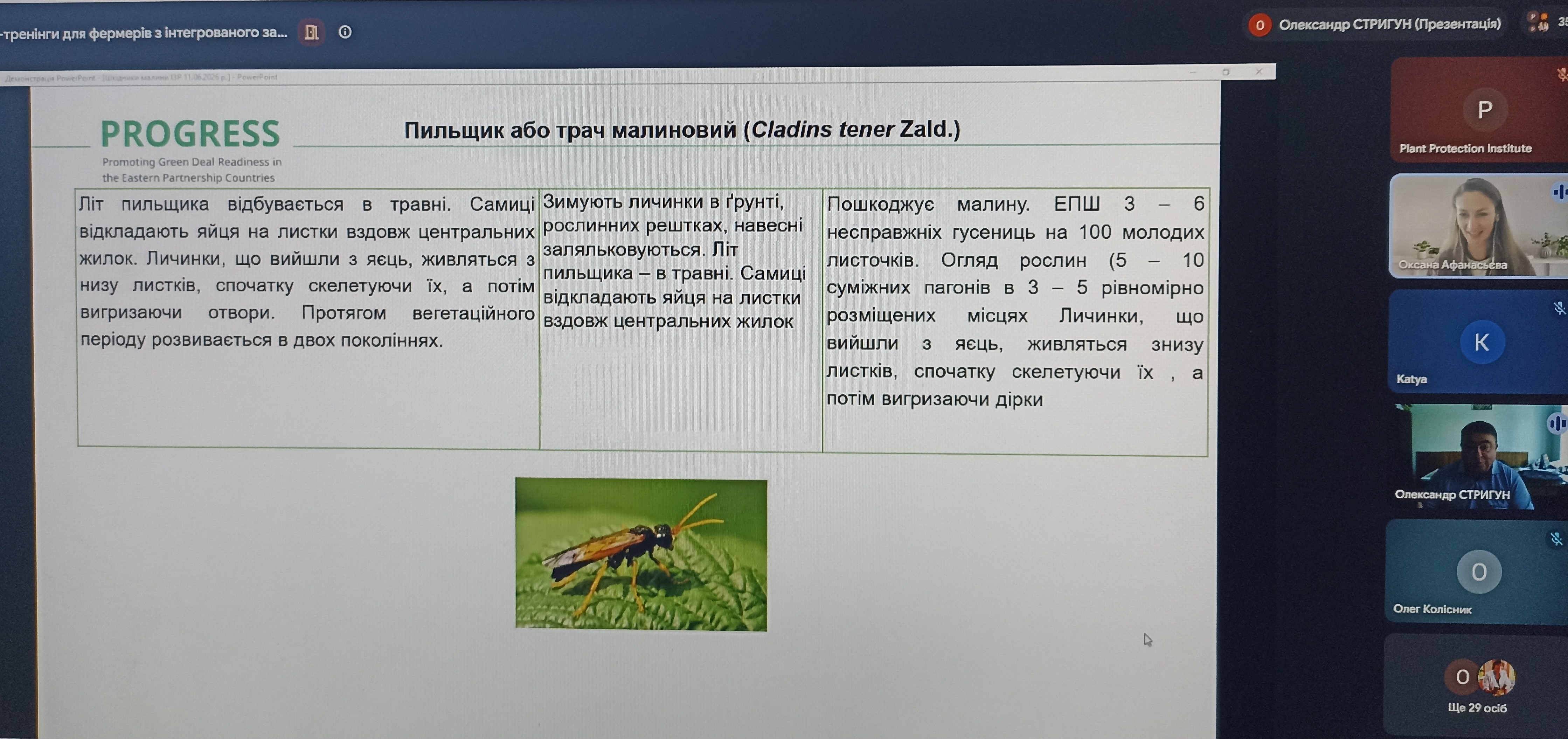
Raspberries – 11 June 2026
-
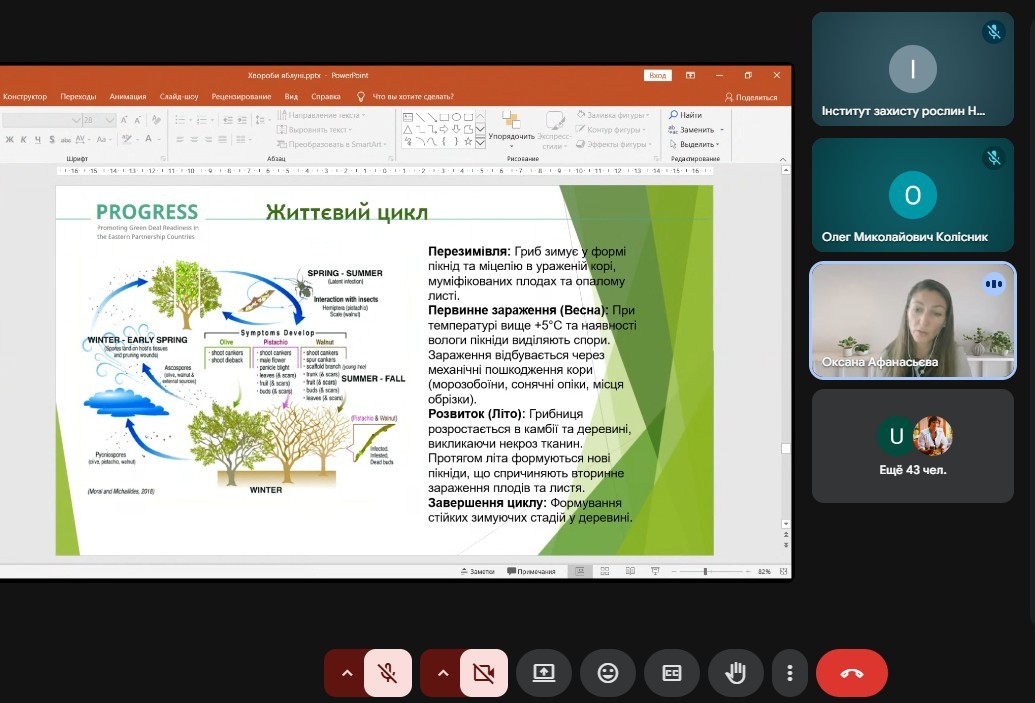
Walnuts – 12 June 2026
Each day featured expert-led sessions delivered by leading Ukrainian scientists and specialists. Participants received practical guidance on:
-
Pest and disease monitoring techniques;
-
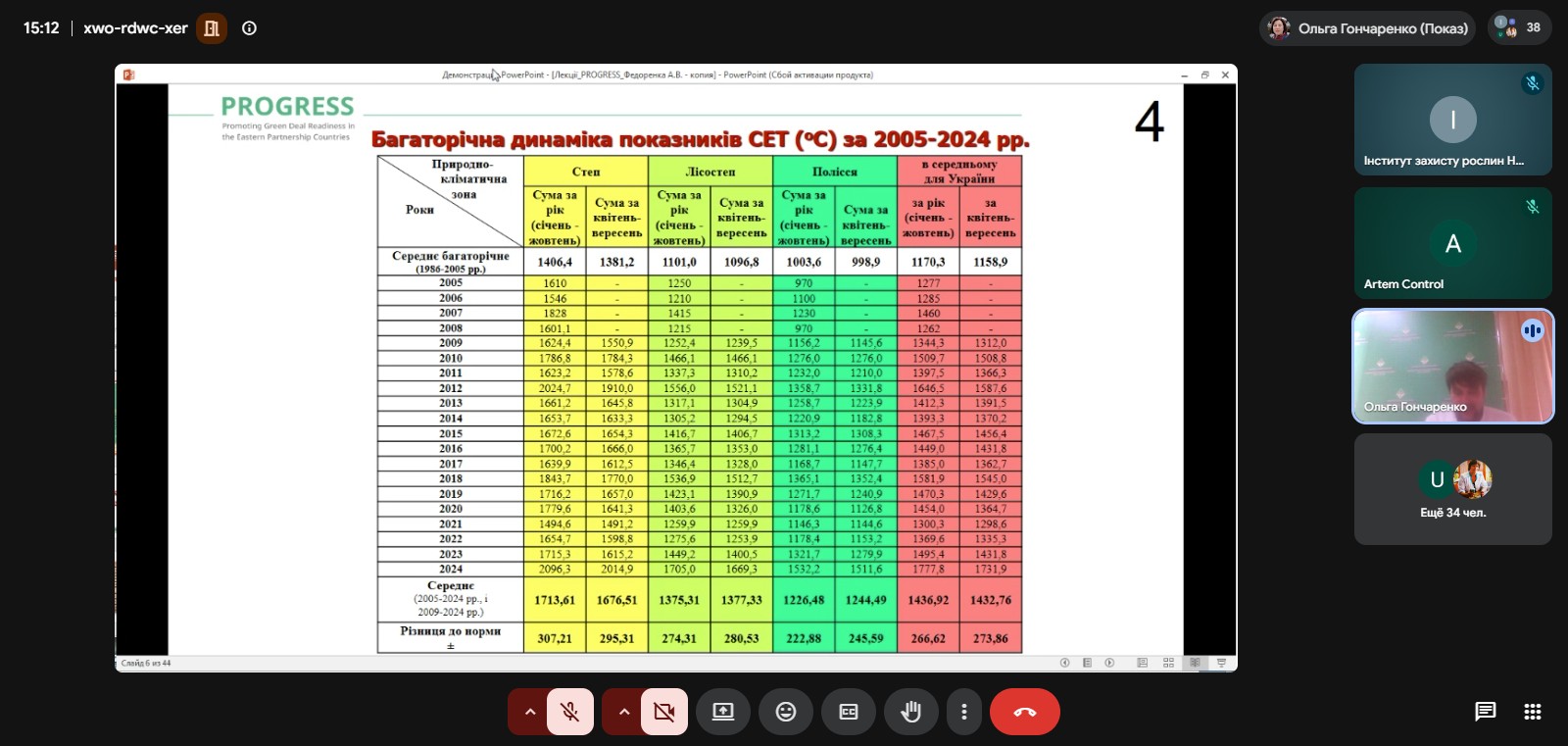
Climate-related risks affecting crop production;
-
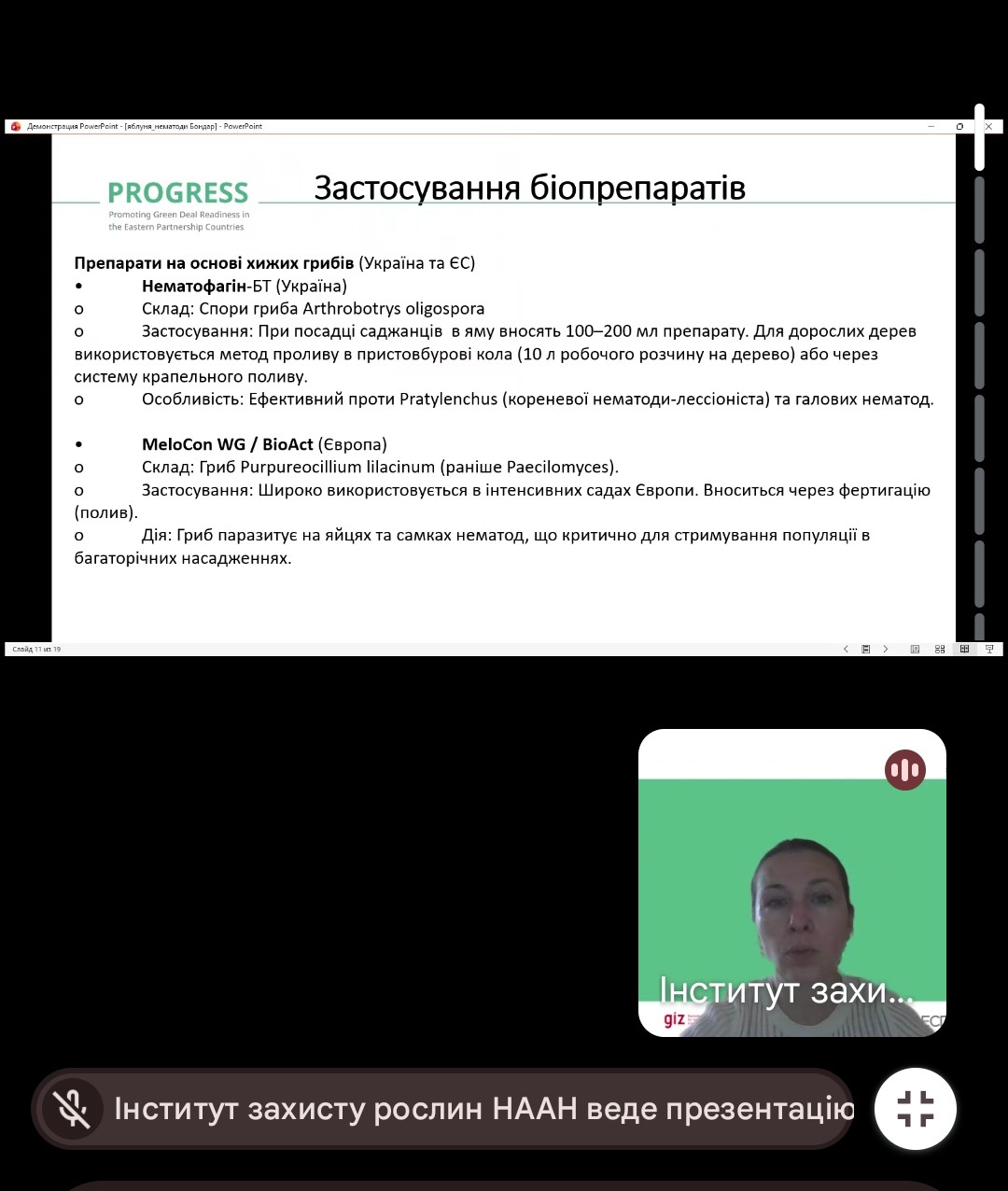
Biological control solutions;
-
Nematode management;
-
Phytosanitary forecasting;
-
Sustainable use of plant protection products;
-
Adaptive strategies for changing pest and disease pressures.
Experts also explored how changing climatic conditions influence pest populations and disease outbreaks, and how producers can adapt their management practices to mitigate risks.
Particular attention was given to environmentally responsible crop protection solutions that support biodiversity and reduce reliance on chemical pesticides. Through expert presentations and interactive discussions, participants gained valuable insights into modern approaches that can strengthen farm resilience and improve long-term sustainability.
The event also served as a platform for dialogue and knowledge exchange among scientists, farmers, advisory services, agribusiness representatives, and public institutions. Participants shared experiences, discussed current challenges, and explored opportunities for closer cooperation in building a more resilient agricultural sector.
Feedback from attendees highlighted the success of the programme, with a 100% satisfaction rate reported among participants and 97.6% indicating their intention to apply the knowledge gained in their professional activities. These results reflect the growing demand for practical expertise and innovative solutions that can help Ukrainian agriculture adapt to climate change.
By bringing together scientific expertise and practical farming experience, the training demonstrated the importance of collaboration in accelerating the transition toward sustainable agricultural systems. Equipping producers with modern knowledge and effective management tools not only strengthens Ukraine’s preparedness for climate-related challenges but also contributes to broader sustainability objectives and the long-term competitiveness of the agricultural sector.
The project ‘Promoting Green Deal Readiness in the Eastern Partnership Countries’ (PROGRESS) is funded by the German Federal Ministry for the Environment, Climate Action, Nature Conservation and Nuclear Safety (BMUKN) under its International Climate Initiative (IKI) and is implemented by the Deutsche Gesellschaft für Internationale Zusammenarbeit (GIZ) GmbH, as the lead agency, in partnership with the Organisation for Economic Co-operation and Development (OECD), the Regional Environmental Centre for the Caucasus (REC Caucasus), the European Business Association (EBA) Moldova and the State Organization ‘Institute for Economics and Forecasting of the National Academy of Sciences of Ukraine’ (IEF).