

07.07.2026
PROGRESS and WoW Projects Assess the Needs of Women-Led Cooperatives to Strengthen Climate-Resilient Fruit Processing in Northwest Azerbaijan
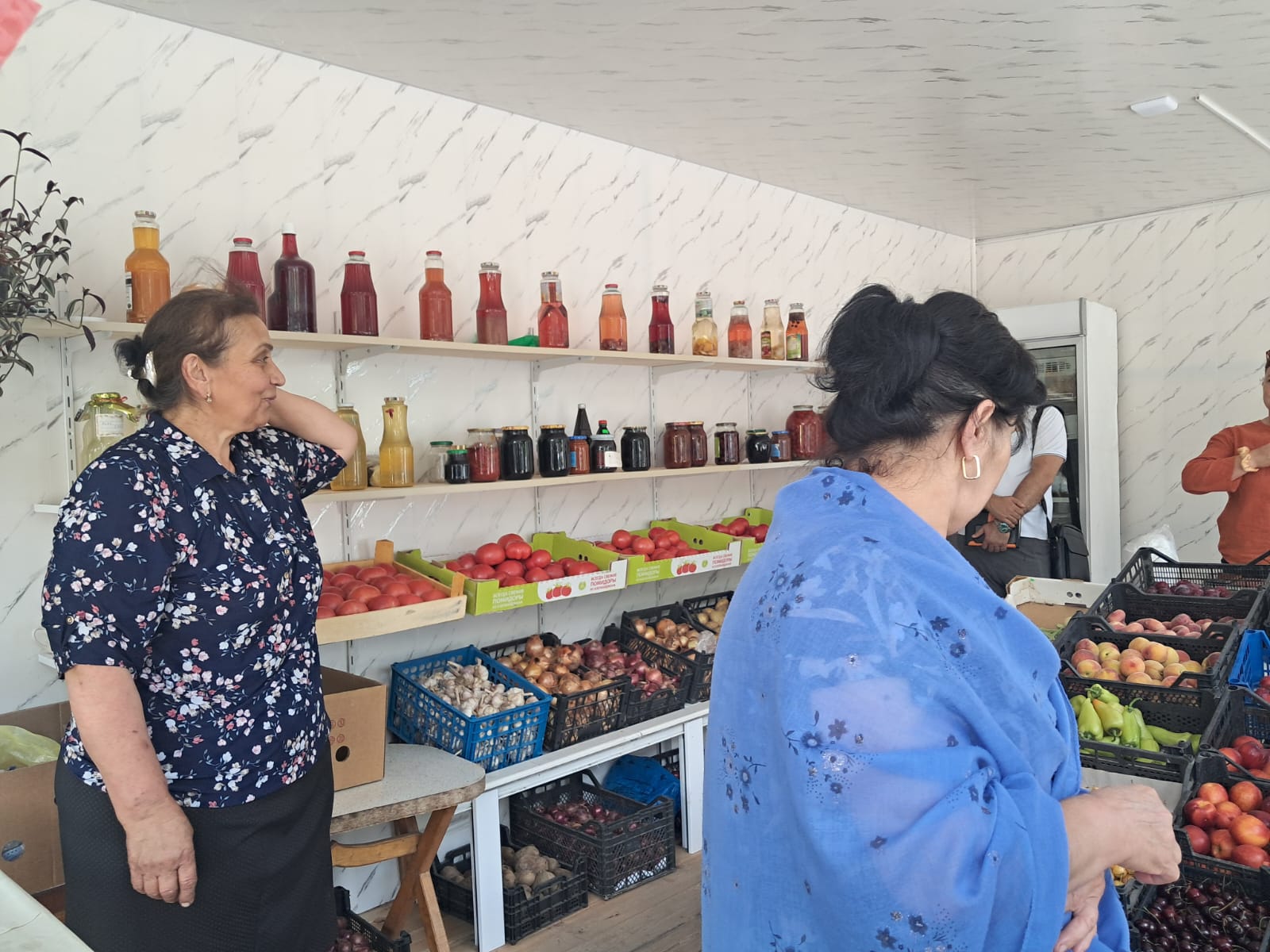
Women play a vital role in Azerbaijan's agricultural sector, particularly in fruit production and processing. However, many women-led cooperatives and rural businesses continue to rely on labour-intensive traditional methods that limit productivity, reduce competitiveness and restrict access to larger markets. Strengthening women's knowledge, improving access to modern technologies and supporting climate-resilient production practices are essential for creating greener, more sustainable rural economies.
To better understand these needs, representatives of the GIZ’s PROGRESS and WoW projects conducted a joint field assessment in the Zagatala, Gakh and Balakan districts of Azerbaijan. The mission focused on identifying the practical challenges faced by women-led agricultural cooperatives, women farmer groups and women-owned rural businesses engaged in fruit production and processing, with particular attention to persimmon value chain.
The assessment forms part of the PROGRESS project's broader efforts to promote climate adaptation, green economic development and sustainable agricultural practices while increasing women's participation in the rural economy. Through a combination of training programmes, awareness-raising activities and mentoring, the project supports women in building practical knowledge and skills in climate-smart agriculture, environmentally friendly production methods, integrated pest management, efficient water use, digitalisation and sustainable fruit processing.
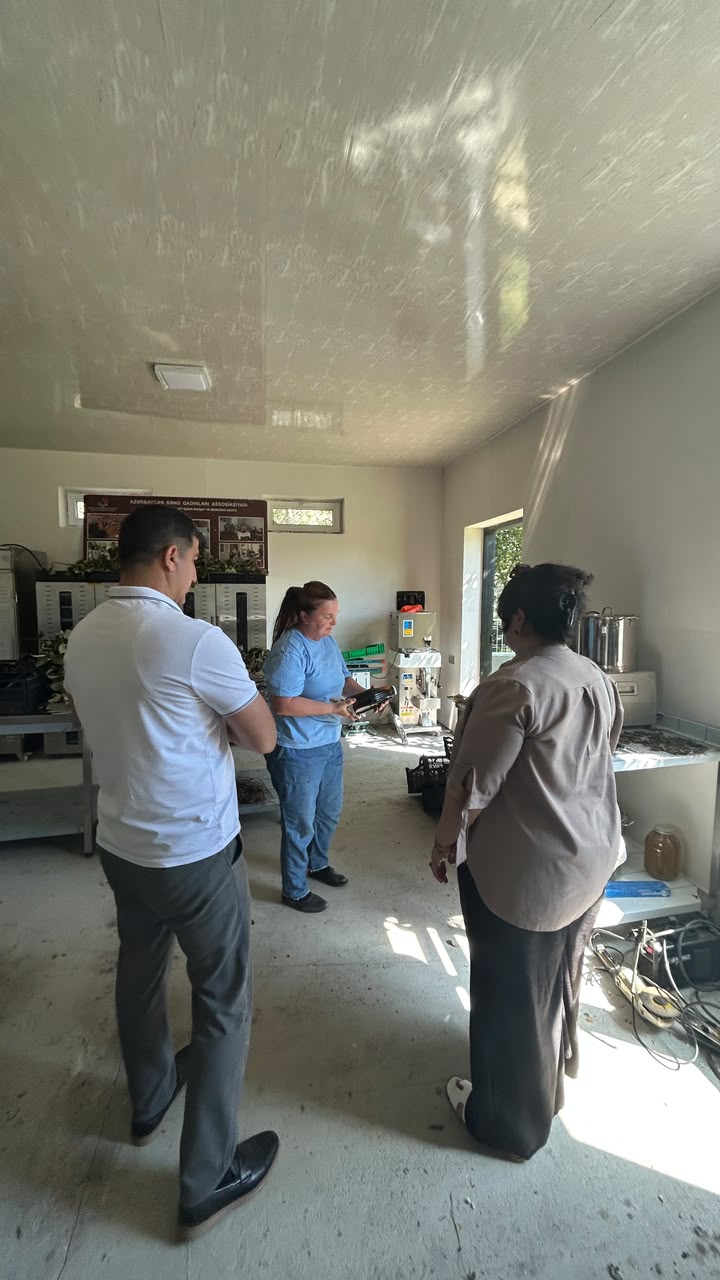
During the field visits, the project team met with representatives of women's cooperatives, farmer groups and small businesses to discuss their current production practices, business development opportunities and the main obstacles limiting their growth. The discussions provided valuable insights into the realities faced by rural women entrepreneurs and highlighted their strong motivation to expand their businesses despite existing challenges.
A common finding across all districts was the continued reliance on manual fruit processing techniques. Many women still peel, slice, dry and package fruits by hand using traditional methods that require significant time and physical effort. While these practices preserve valuable local traditions, they also limit production capacity, reduce efficiency and make it difficult to meet the quality and quantity requirements of larger buyers and modern retail markets.
The assessment also identified several priority areas where targeted support could significantly improve productivity and business performance. Participants highlighted the need for modern fruit processing equipment, including fruit slicing machines, drying cabinets, fruit presses, packaging equipment and agricultural sprayers for orchard management. Access to such technologies would help reduce manual labour, improve product quality, minimise post-harvest losses and enable women to produce higher-value products throughout the year.
Alongside equipment needs, discussions demonstrated the importance of continued capacity building. Women expressed strong interest in expanding their knowledge of climate adaptation, sustainable orchard management, resource-efficient production methods, food safety, digital tools and modern marketing approaches. These skills are increasingly important for improving competitiveness, responding to changing climate conditions and accessing new market opportunities.
The joint field assessment reaffirmed that women entrepreneurs possess the commitment, experience and ambition to grow their businesses. With the right combination of technical knowledge, practical training and appropriate technologies, women-led cooperatives can make an even greater contribution to local economic development while adopting more environmentally sustainable production practices.
The findings of the assessment will serve as an important basis for planning future activities under both the PROGRESS and WoW projects. The information collected will help ensure that future interventions respond directly to the needs of women-led cooperatives and rural businesses, strengthening their resilience to climate change, promoting green and resource-efficient agricultural practices and creating new economic opportunities for women in rural communities.


_1783336072.jpeg)
_1783336072.jpeg)
_1783336072.jpeg)
_1783336072.jpeg)
