
20.10.2026
PROGRESS Regional Exchange Event | CBD COP17 Side Event - Climate-Smart Conservation Agriculture as a Tool for Biodiversity Preservation in the Eastern Partnership Countries
PROGRESS Regional Exchange Event | CBD COP17 Side Event
Climate-Smart Conservation Agriculture as a Tool for Biodiversity Preservation in the Eastern Partnership Countries
20 October 2026 | Yerevan, Armenia (CBD COP17) and online (Zoom)
About the Event
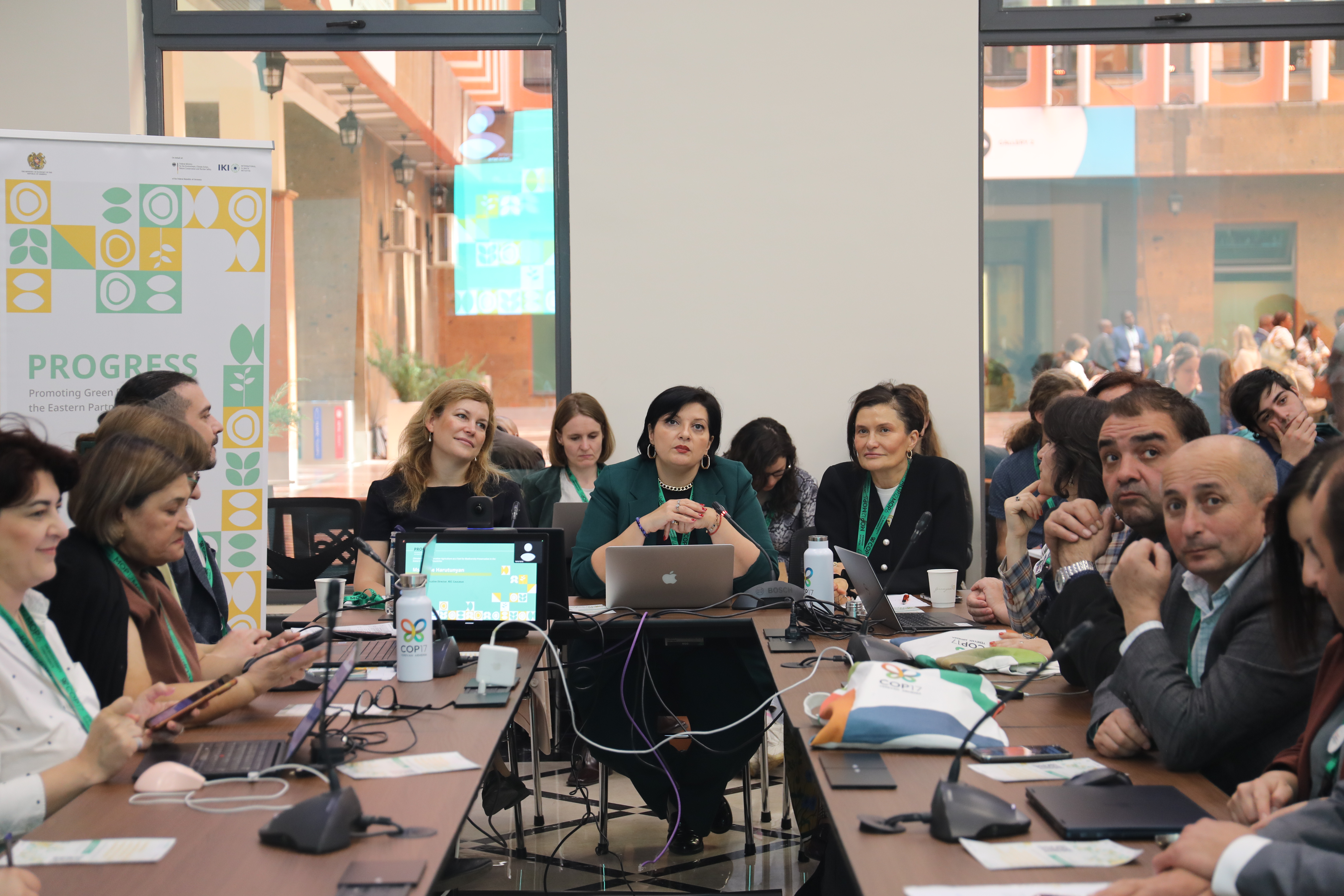
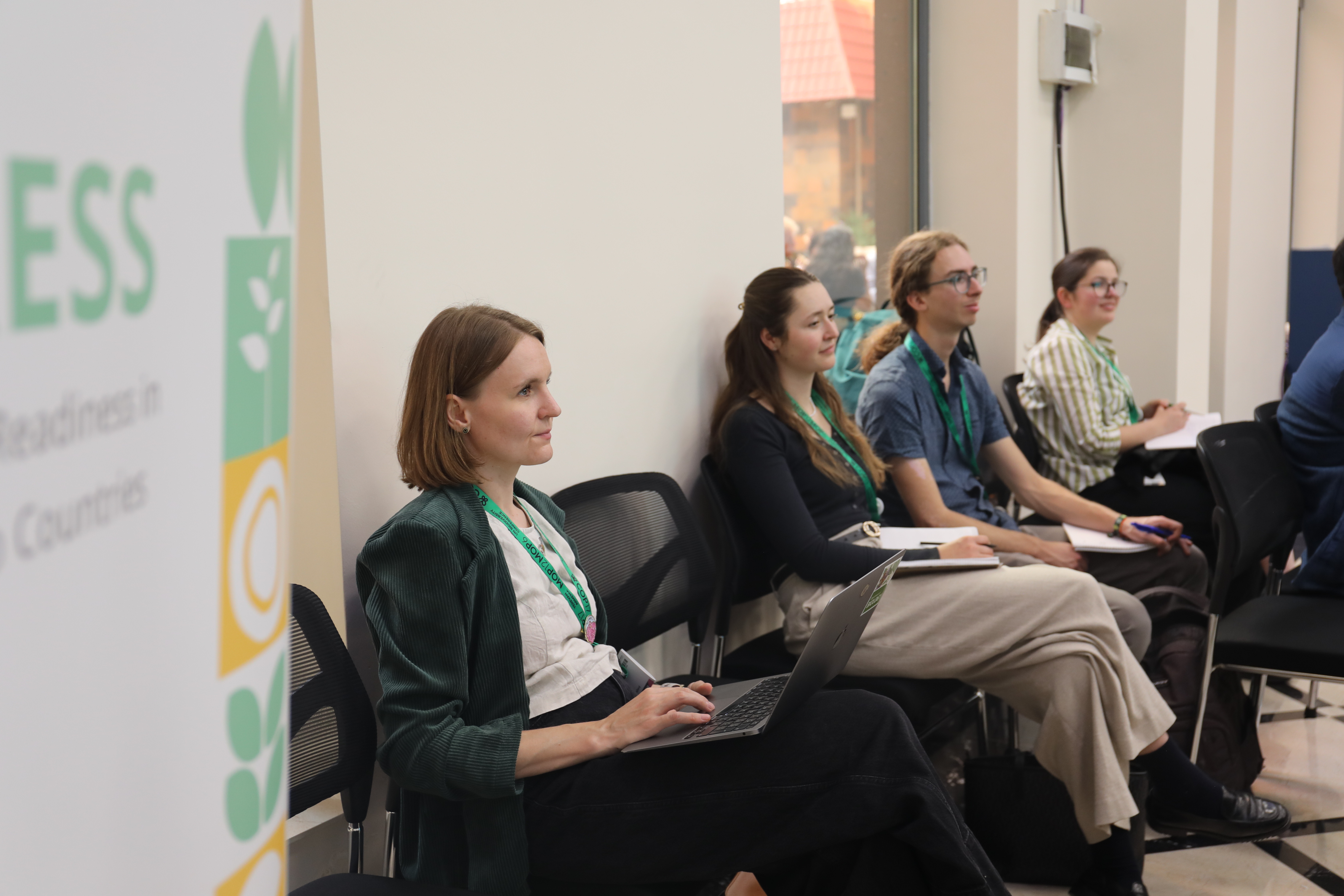
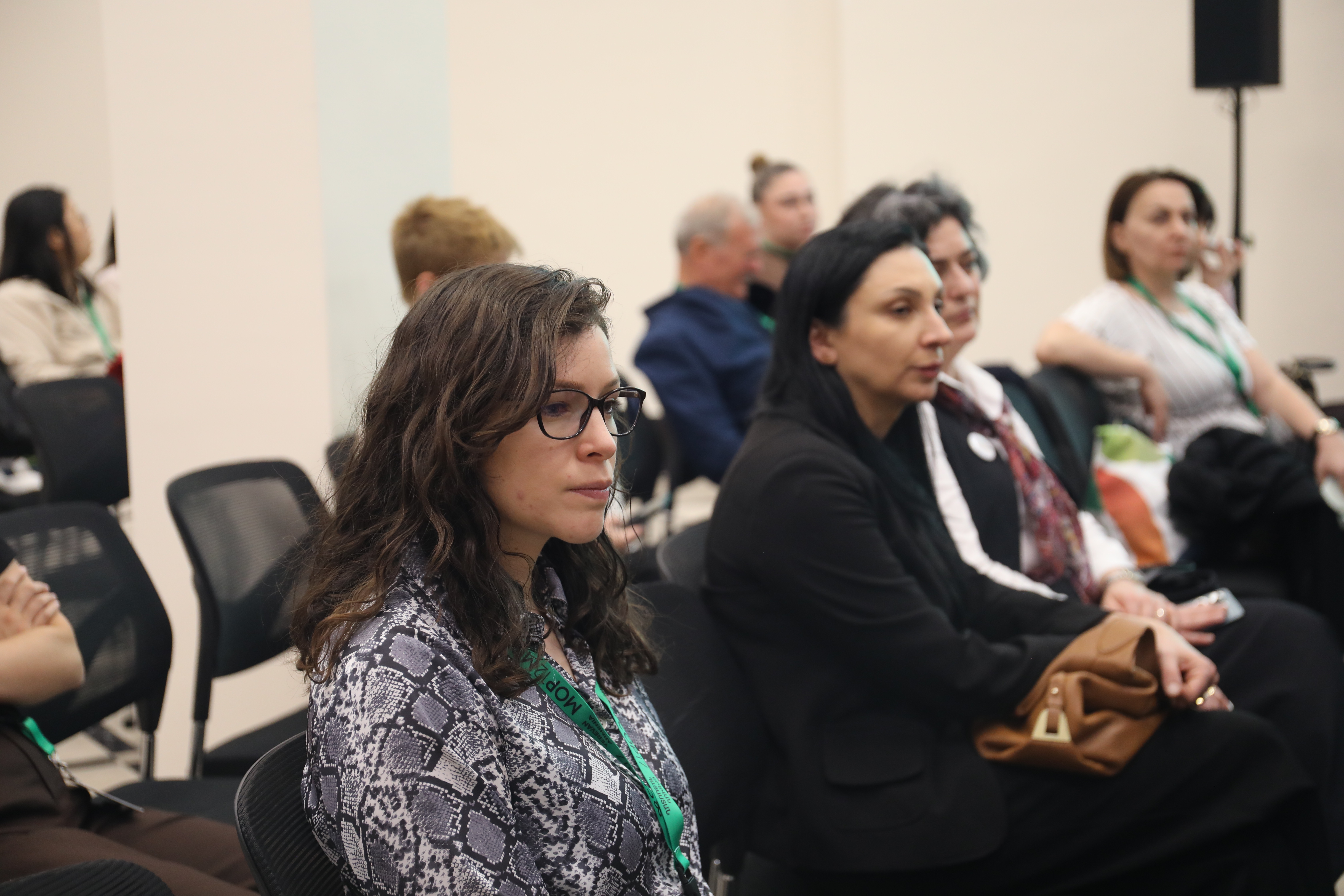
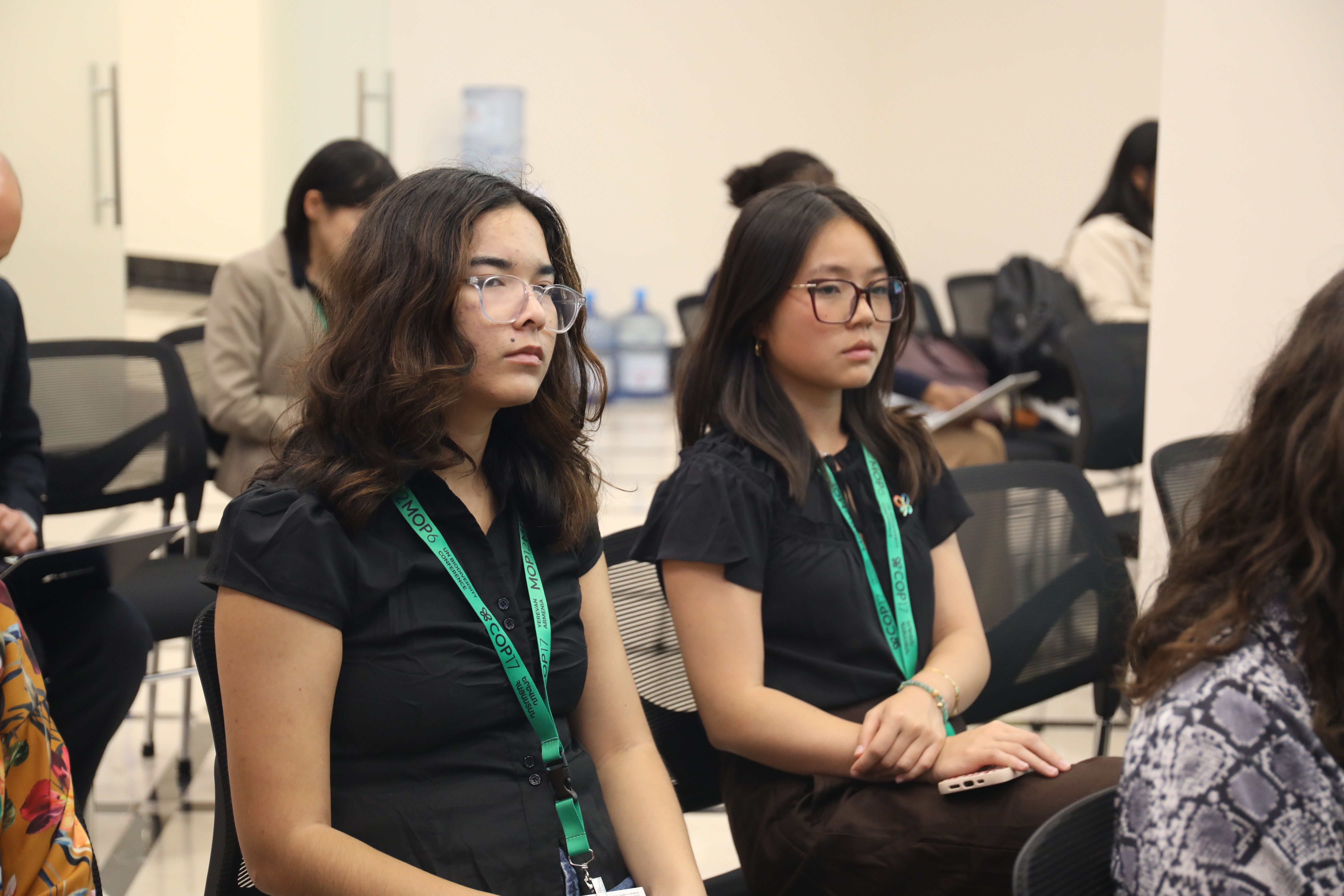
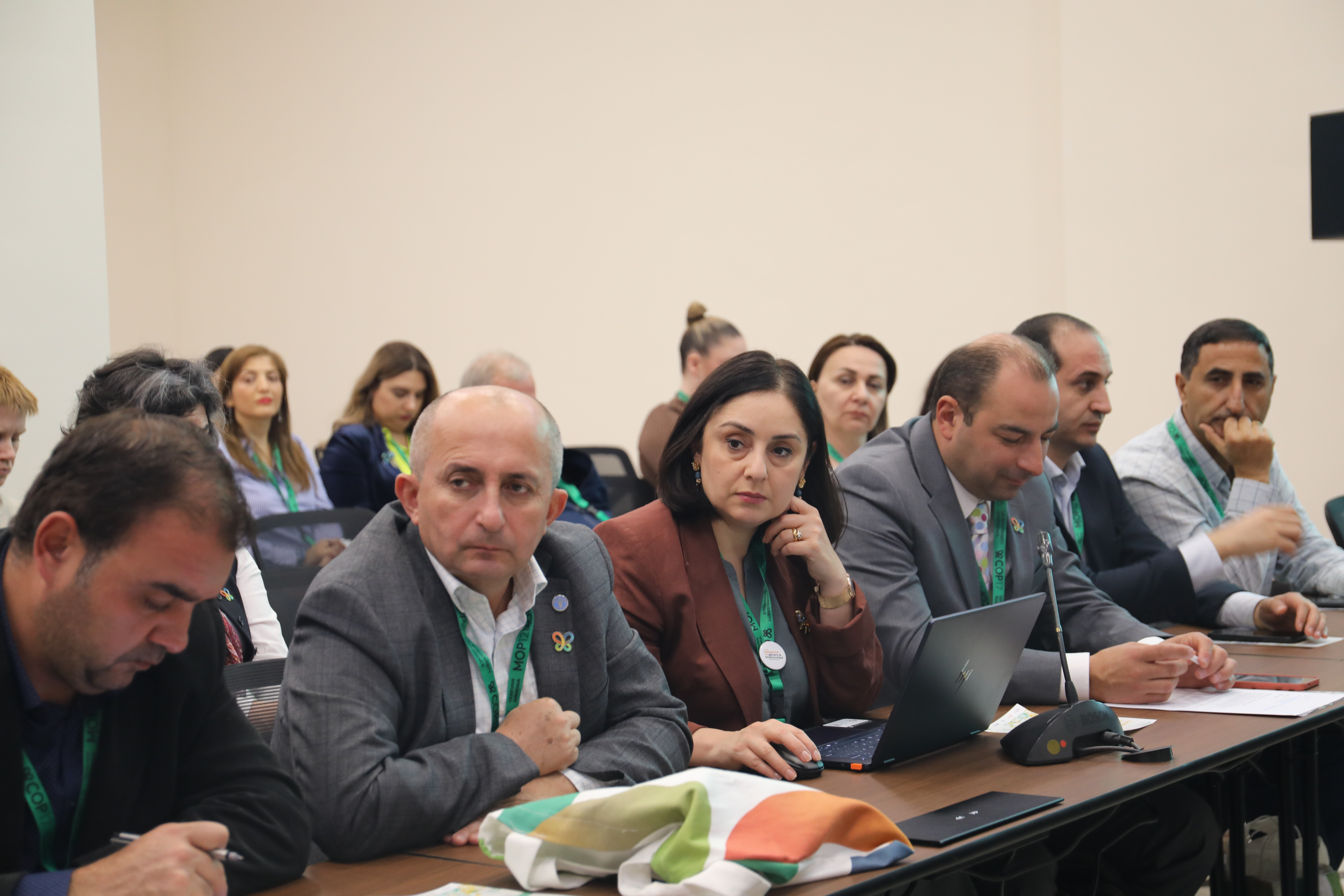
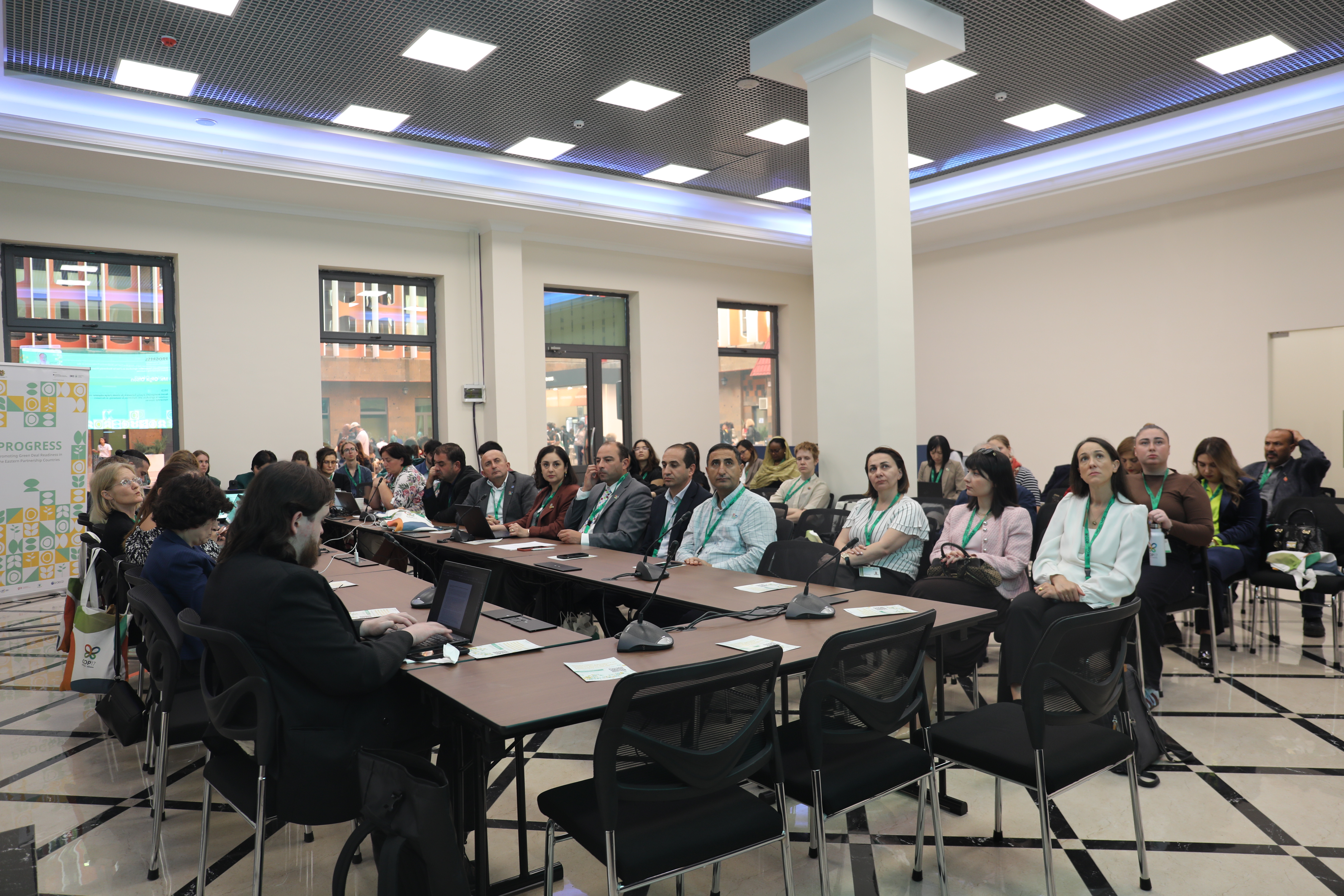
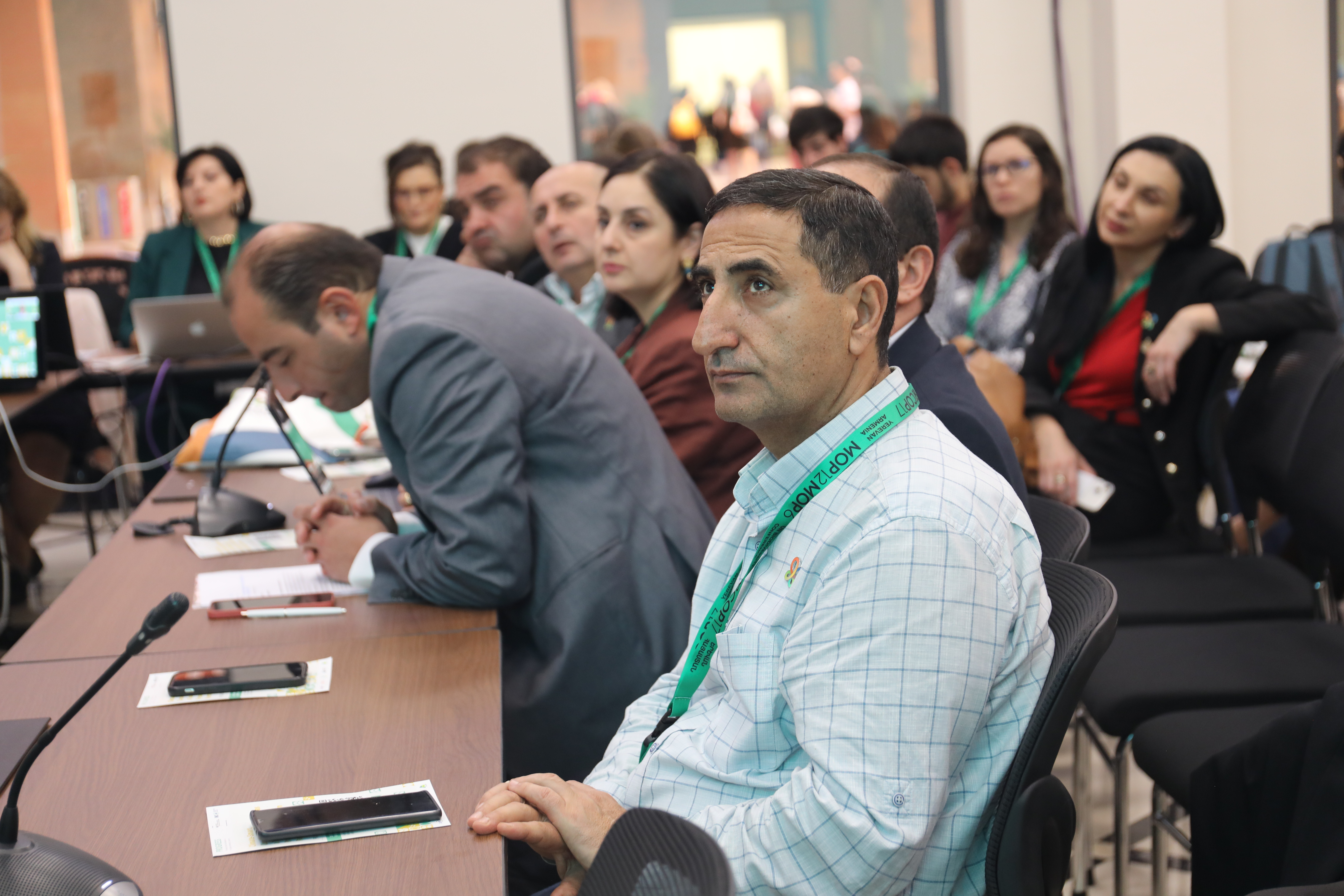
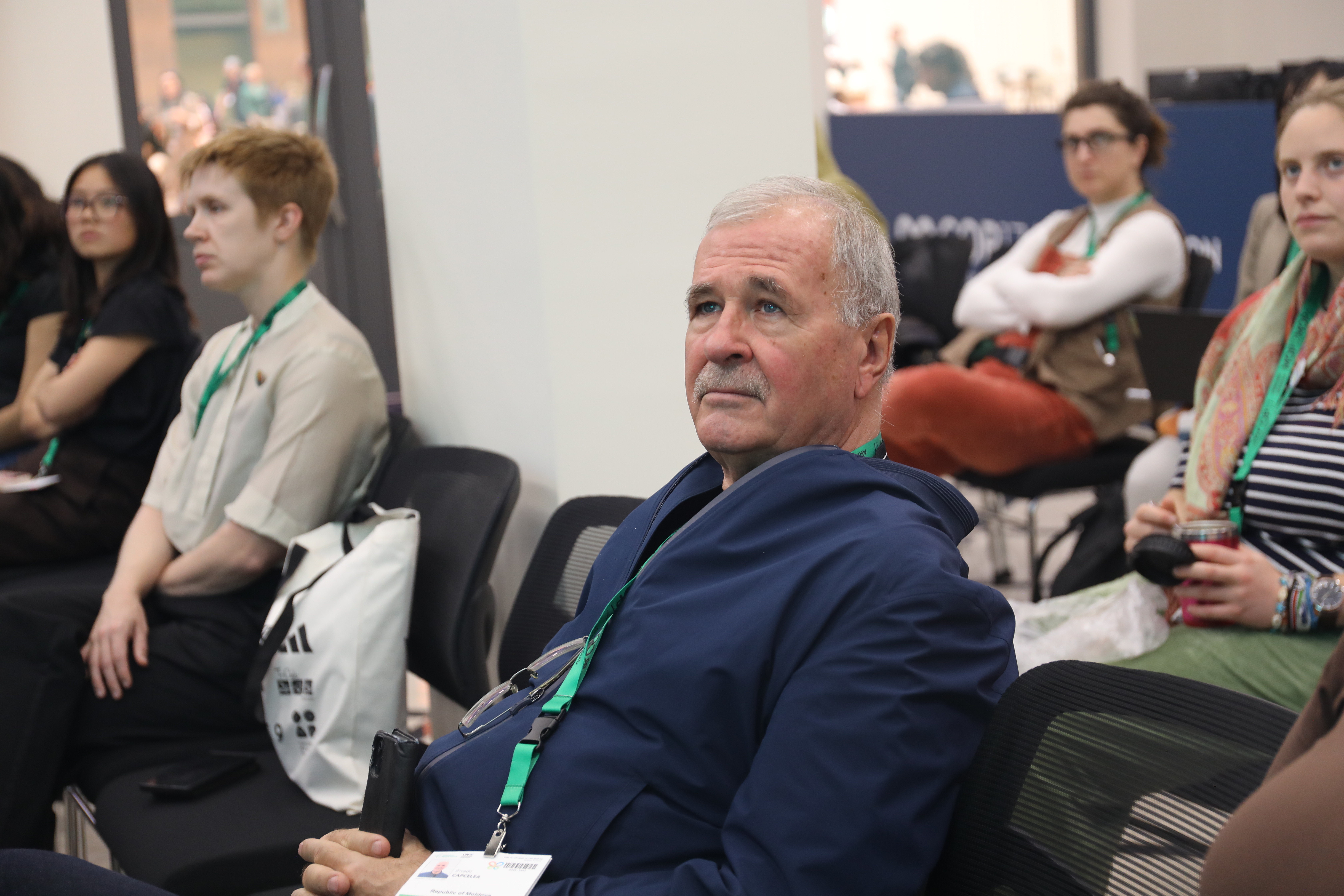
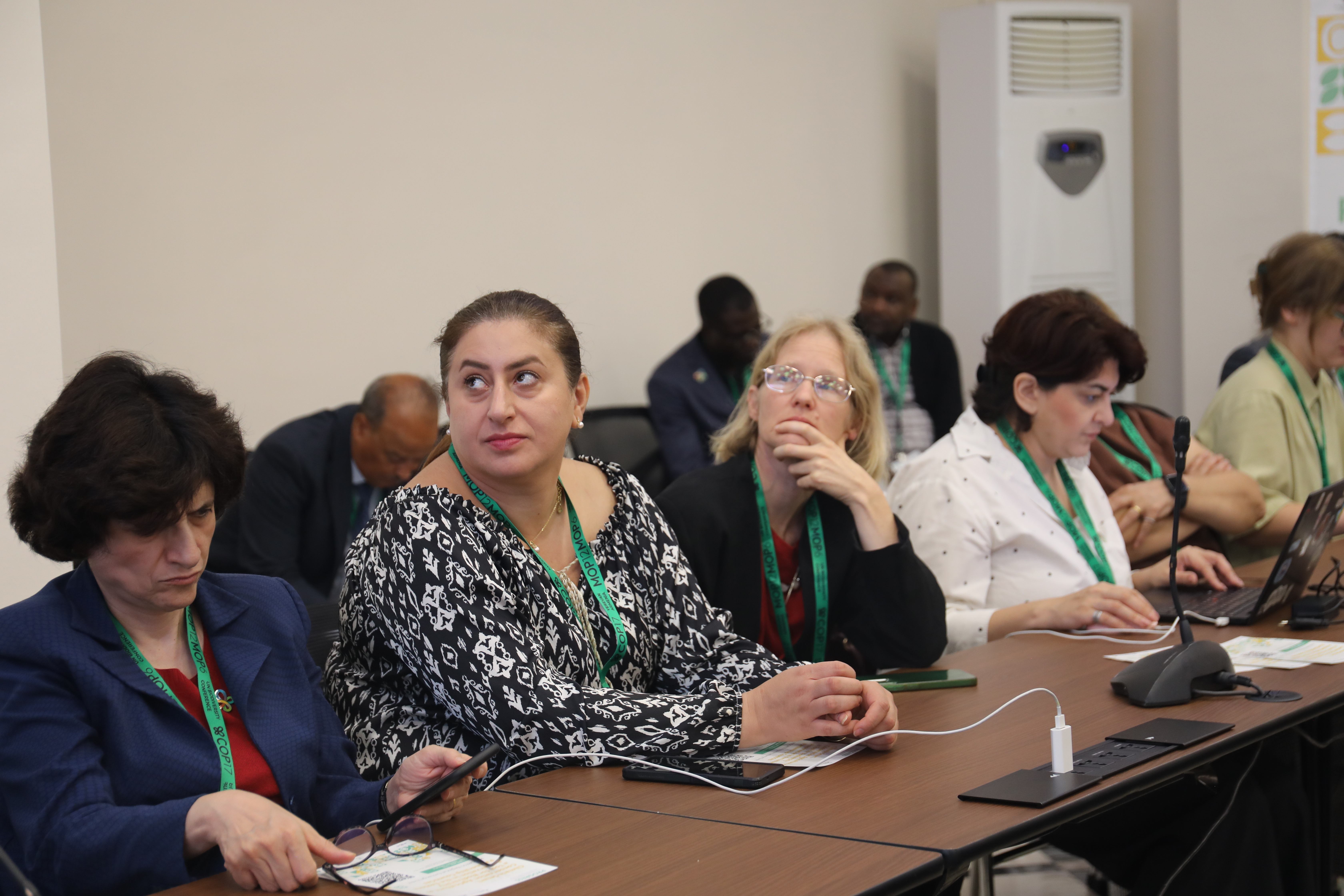
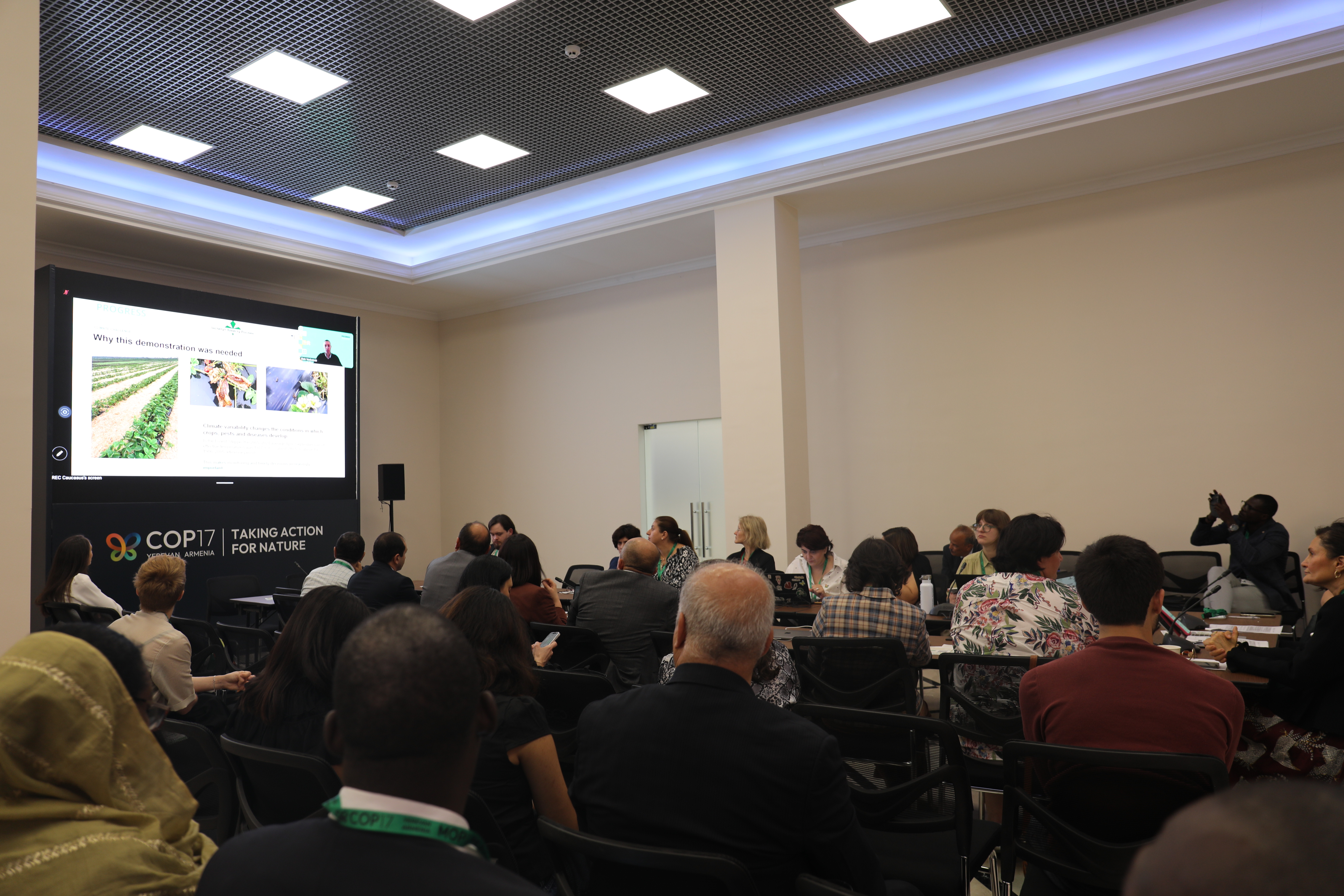
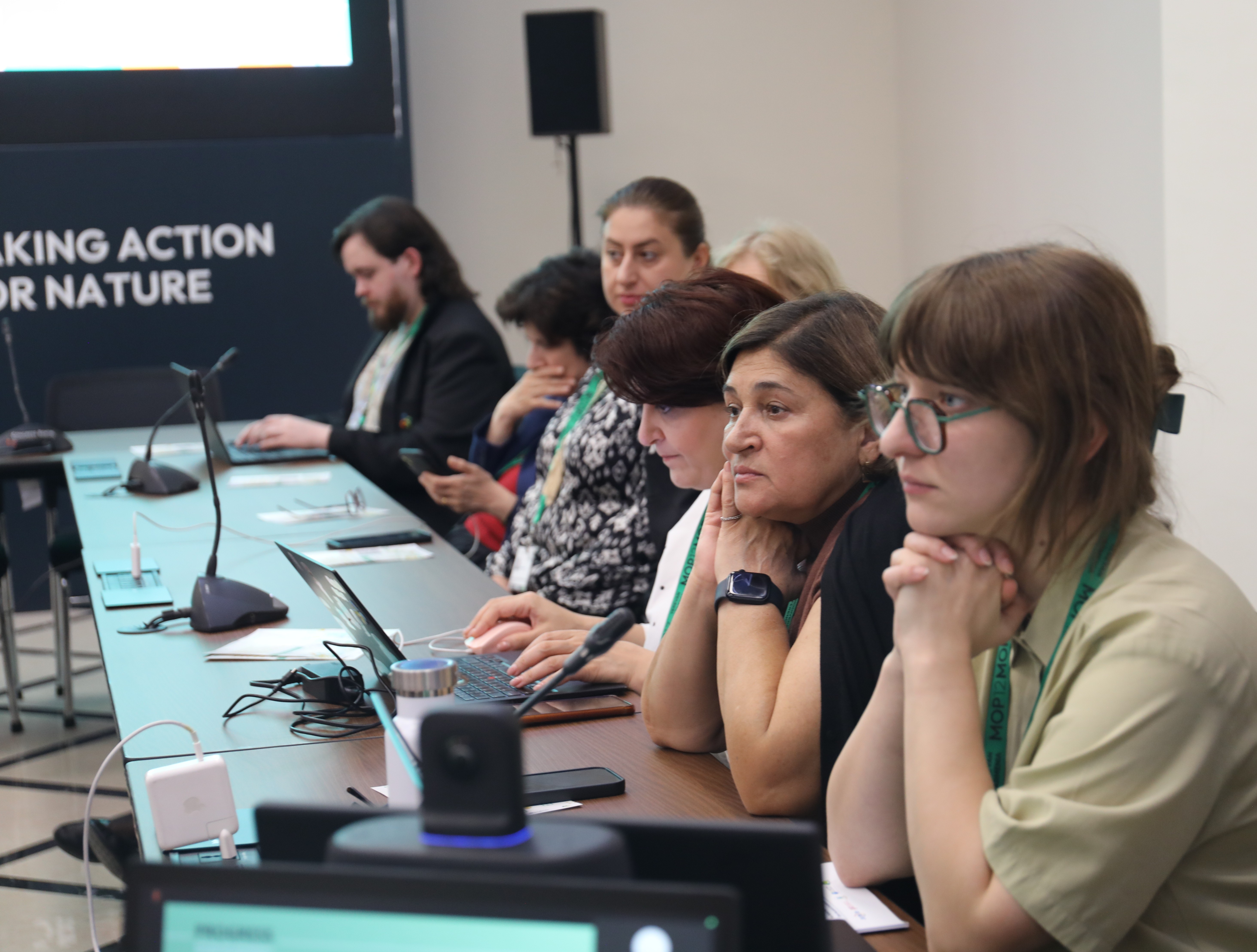
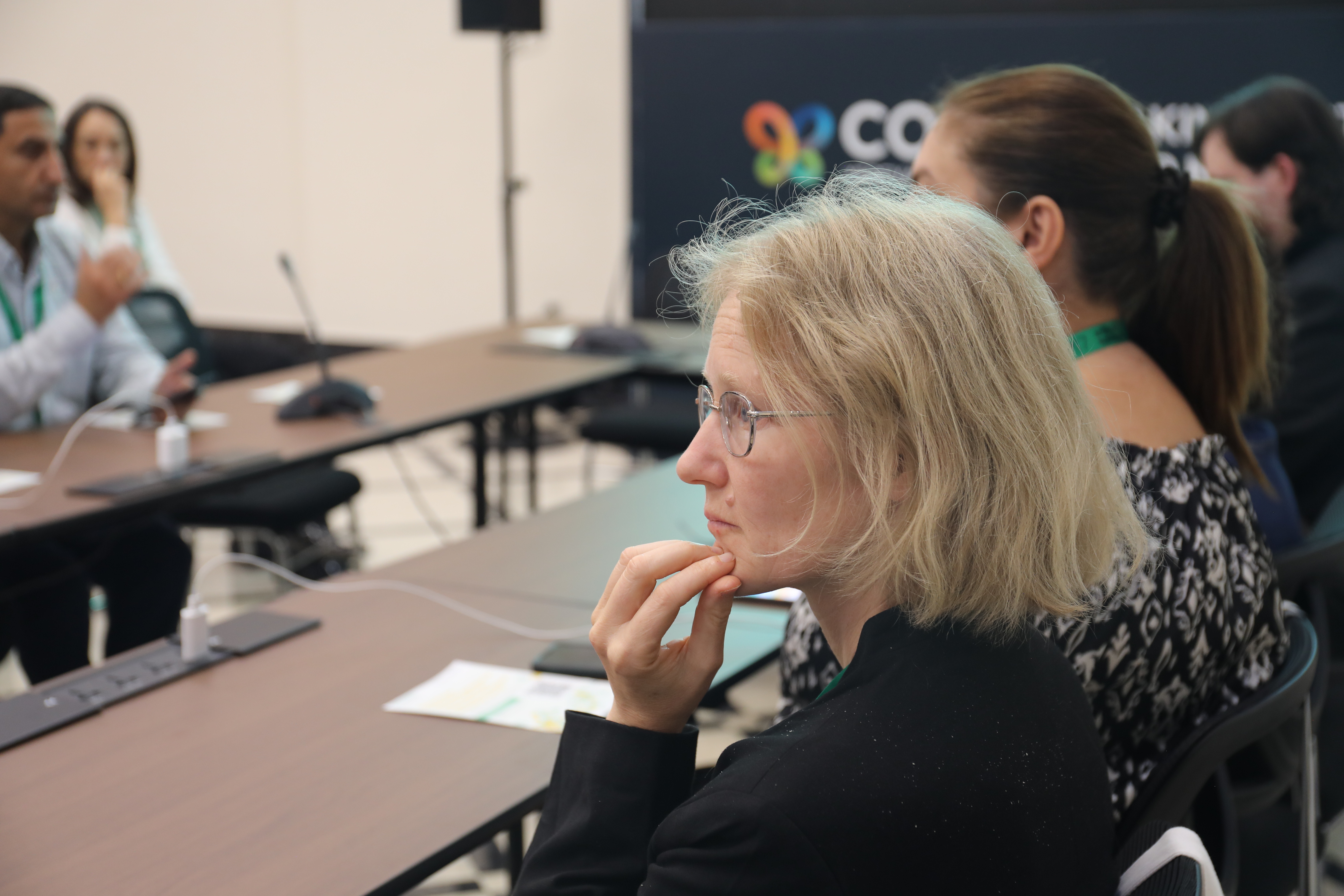
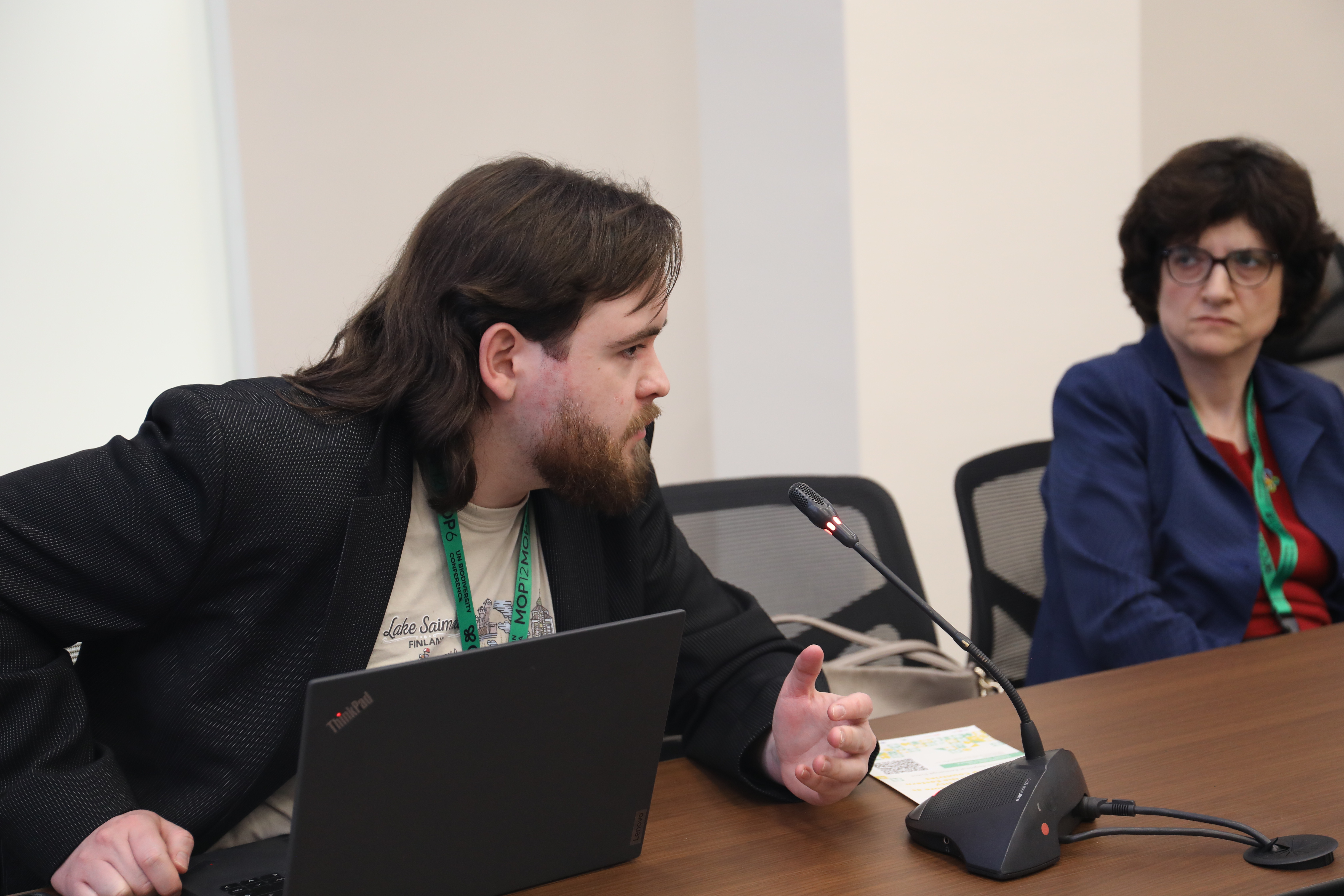
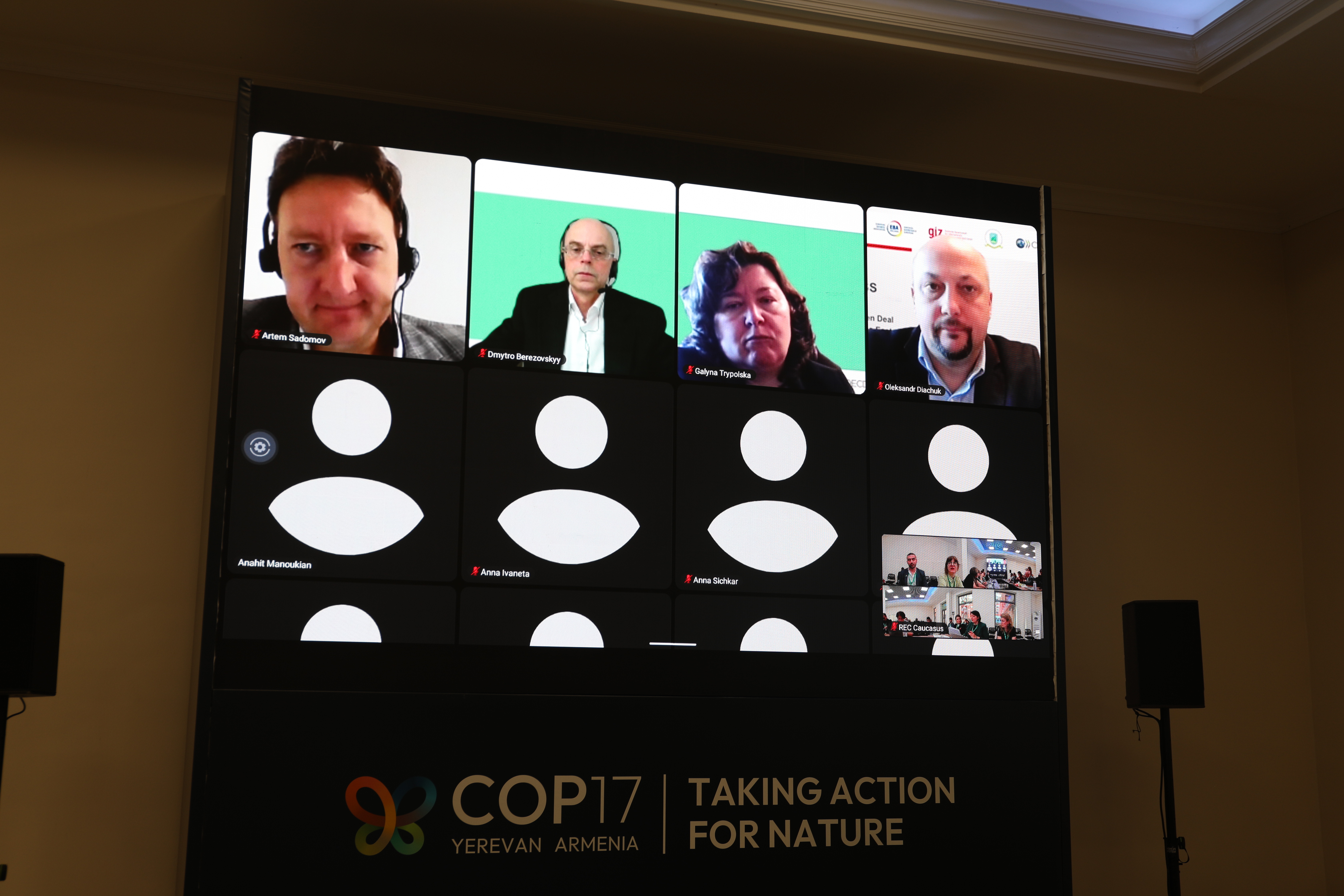
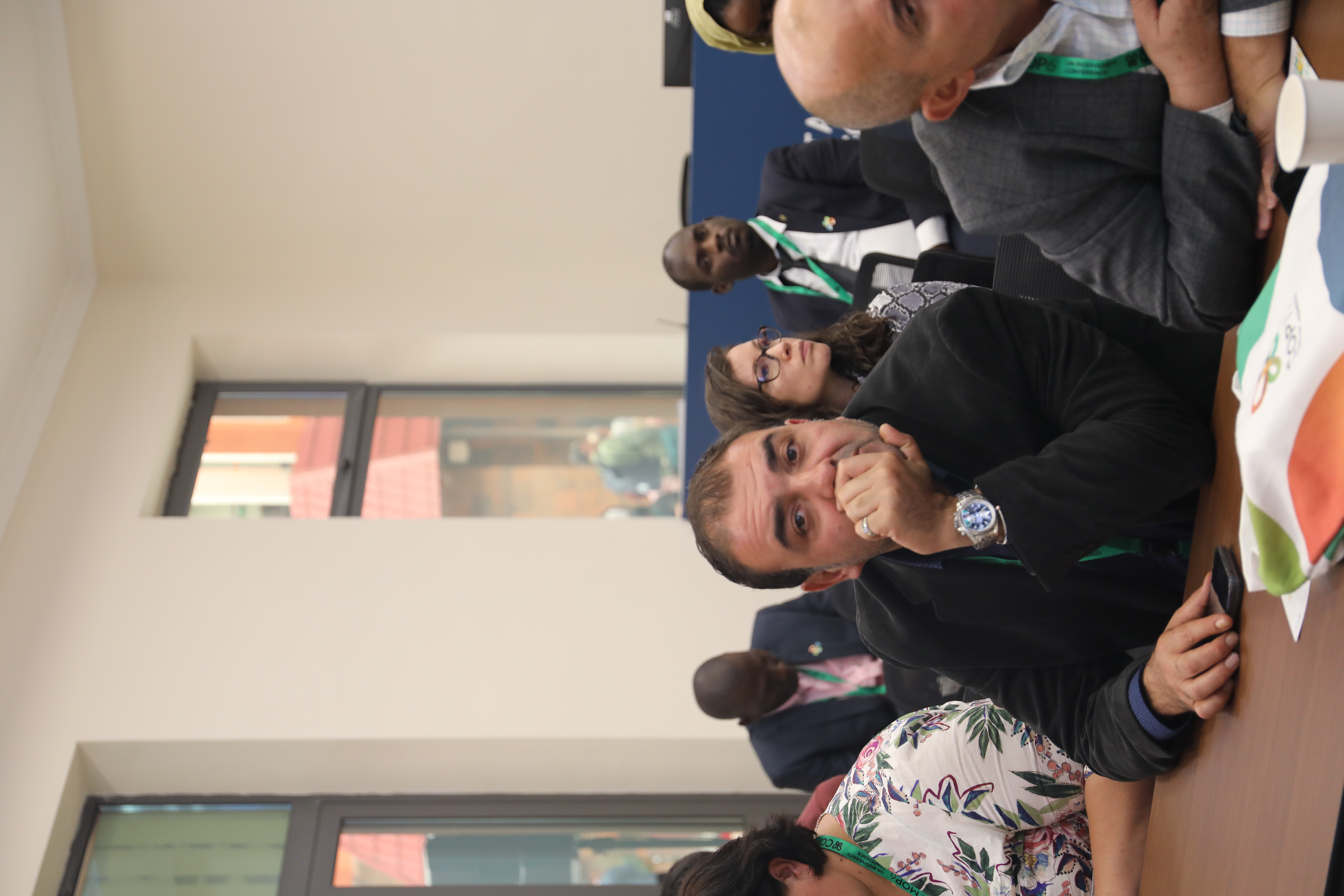
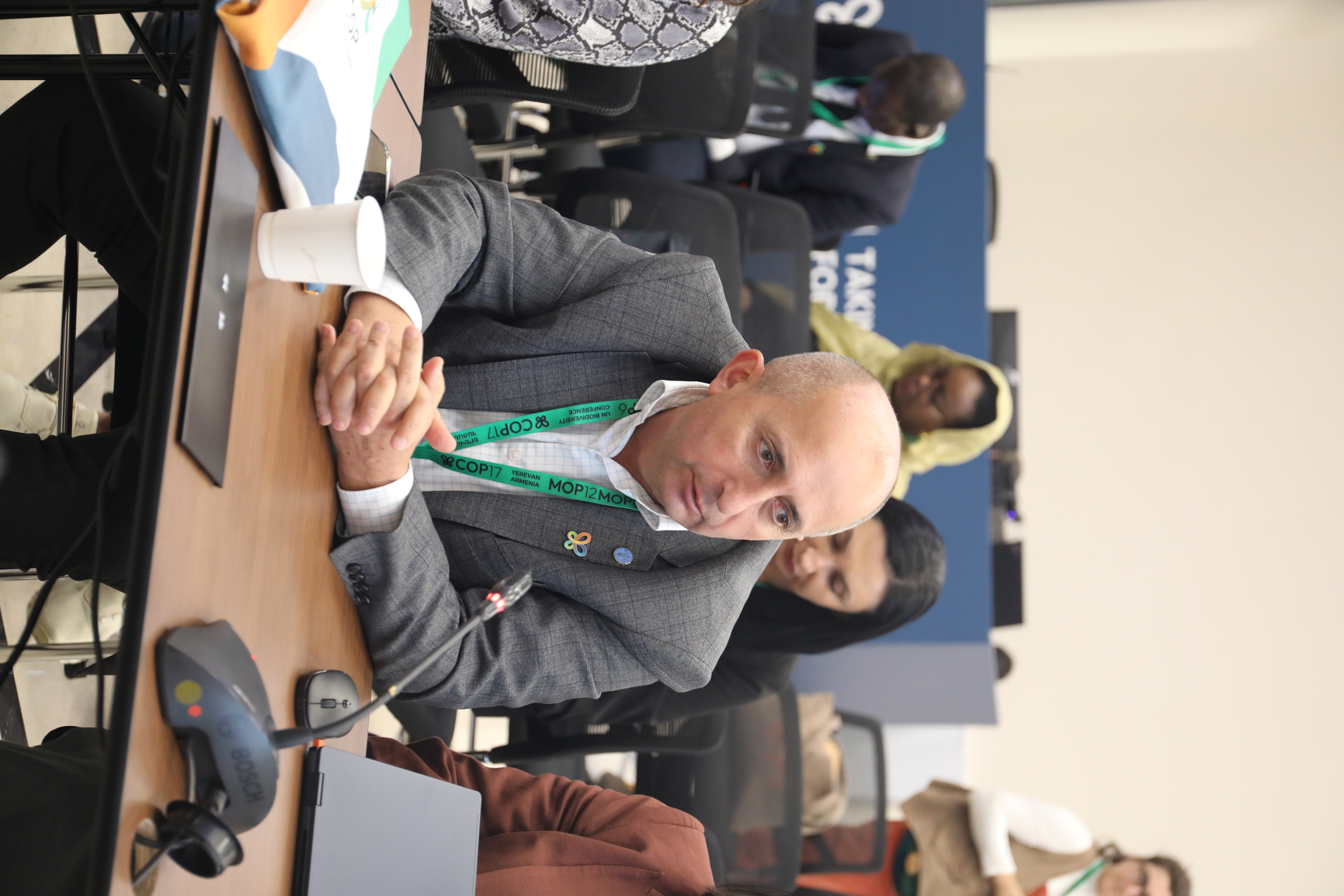
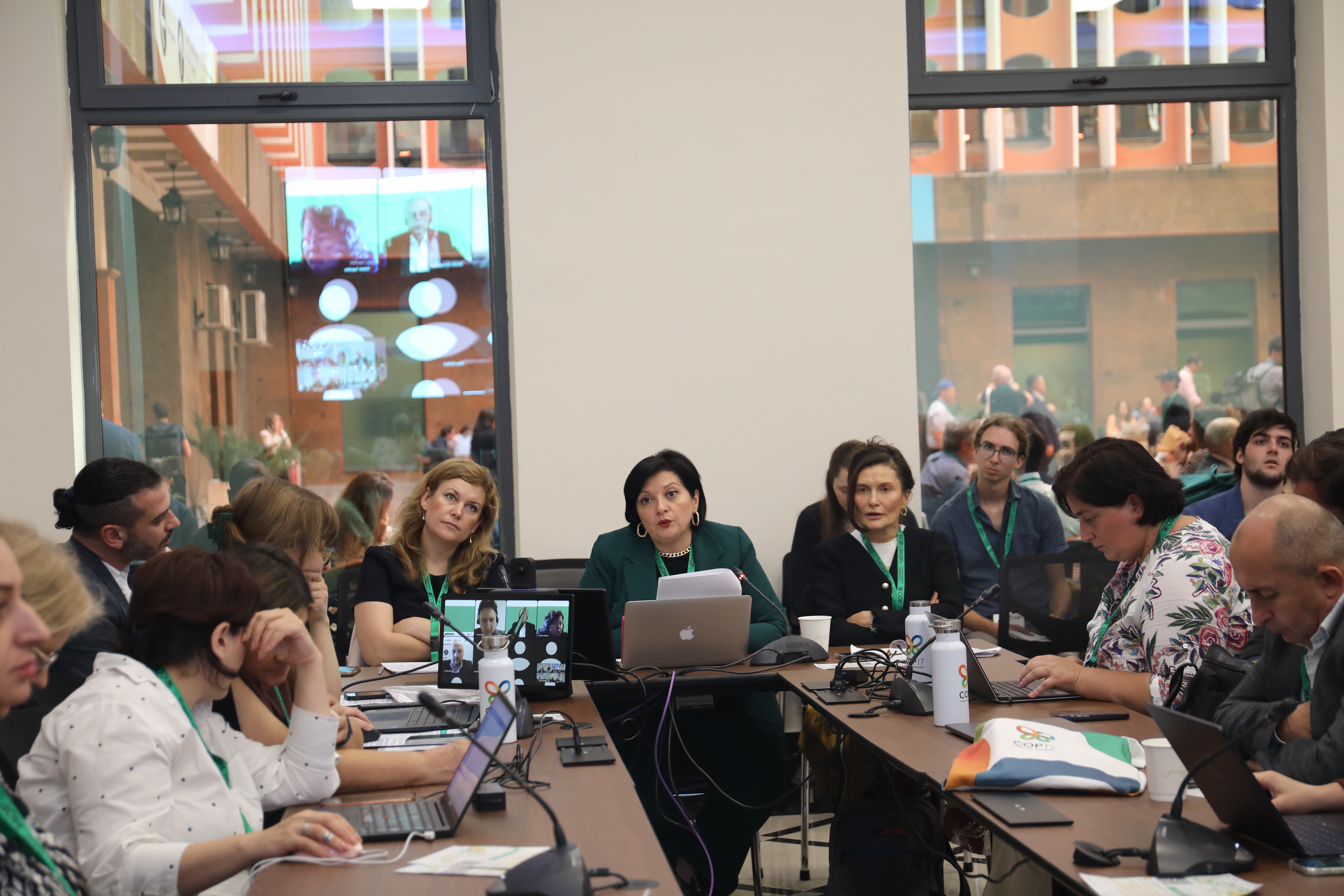
On 20 October 2026, the PROGRESS programme held a hybrid side event at the 17th Conference of the Parties to the Convention on Biological Diversity (CBD COP17) in Yerevan, Armenia. Organised by REC Caucasus, it brought together consortium partners, producer associations, research institutions and civil society from the Eastern Partnership (EaP) countries and beyond to discuss which climate-smart practices protect agricultural biodiversity, how their results can be measured, and what helps farmers adopt them at scale.
PROGRESS is funded by BMUKN through the International Climate Initiative (IKI) and implemented in Armenia, Azerbaijan, Georgia, Moldova and Ukraine by GIZ, the OECD, REC Caucasus, IEF Ukraine and EBA Moldova. In her opening remarks, GIZ Armenia noted that agriculture both pressures and depends on biodiversity, citing integrated pest management (IPM), organic-origin fertilisers and locally adapted planting material as examples from the programme’s more than 50 demonstration projects.
Policy frameworks
The OECD presented recent developments in climate adaptation and pesticide policy across the EaP. With pests and diseases expected to spread under changing conditions, countries are adopting EU-aligned plant protection legislation, though enforcement, traceability and training gaps remain. Recommendations included linking national adaptation plans to biodiversity strategies and strengthening advisory services. IEF Ukraine outlined the impact of the war on Ukraine’s ecosystems, with at least 20% of protected areas affected, and proposed measures combining sustainable farming methods, green landscape elements and new financial instruments such as biodiversity credits.
Experience from the field
In Armenia, the ICARE Foundation is setting up around 12 climate-smart horticulture demonstration sites, covering pest and disease early warning, local nurseries, frost protection and digital advisory services. In Georgia, the Almond and Walnut Producers Association, with support from REC Caucasus, is introducing satellite-based monitoring for 10 farmers across some 550 hectares of orchards, although cost, knowledge and trust still hold many farmers back from adopting new technologies.
The Institute of Plant Protection in Ukraine presented an integrated strawberry protection demonstration, where disease levels fell and biological products proved more profitable than chemical pesticides. EBA Moldova described the country’s progress in aligning with EU legislation, as well as ongoing problems with land conversion, soil erosion and drought, and the need for stronger institutions and farmer education. REC Caucasus closed the session with its work in Samtskhe-Javakheti, Georgia, where families growing traditional wheat and grapevine varieties combine conservation with local food culture and agritourism.
An open discussion followed on the profitability of IPM, pesticide reduction targets, organic fertilisers and food security, and farmer training.
Key messages
Closing the event, Sophiko Akhobadze, Executive Director of REC Caucasus, summarised the main conclusions: biodiversity and productivity go together; IPM works as a system rather than a single tool; local varieties and resilient planting material help conserve genetic diversity; and producer associations and research institutes turn single demonstrations into wider adoption. Recommended actions included integrating biodiversity-friendly practices into national strategies, supporting farmers with upfront investment costs, linking good practices to EU market access under the European Green Deal, continuing peer-to-peer learning across the EaP, and developing shared indicators to report on Global Biodiversity Framework targets.