

18.04.2026
Building Climate Resilience in Armenia: Lessons from the ProGRess Initiative
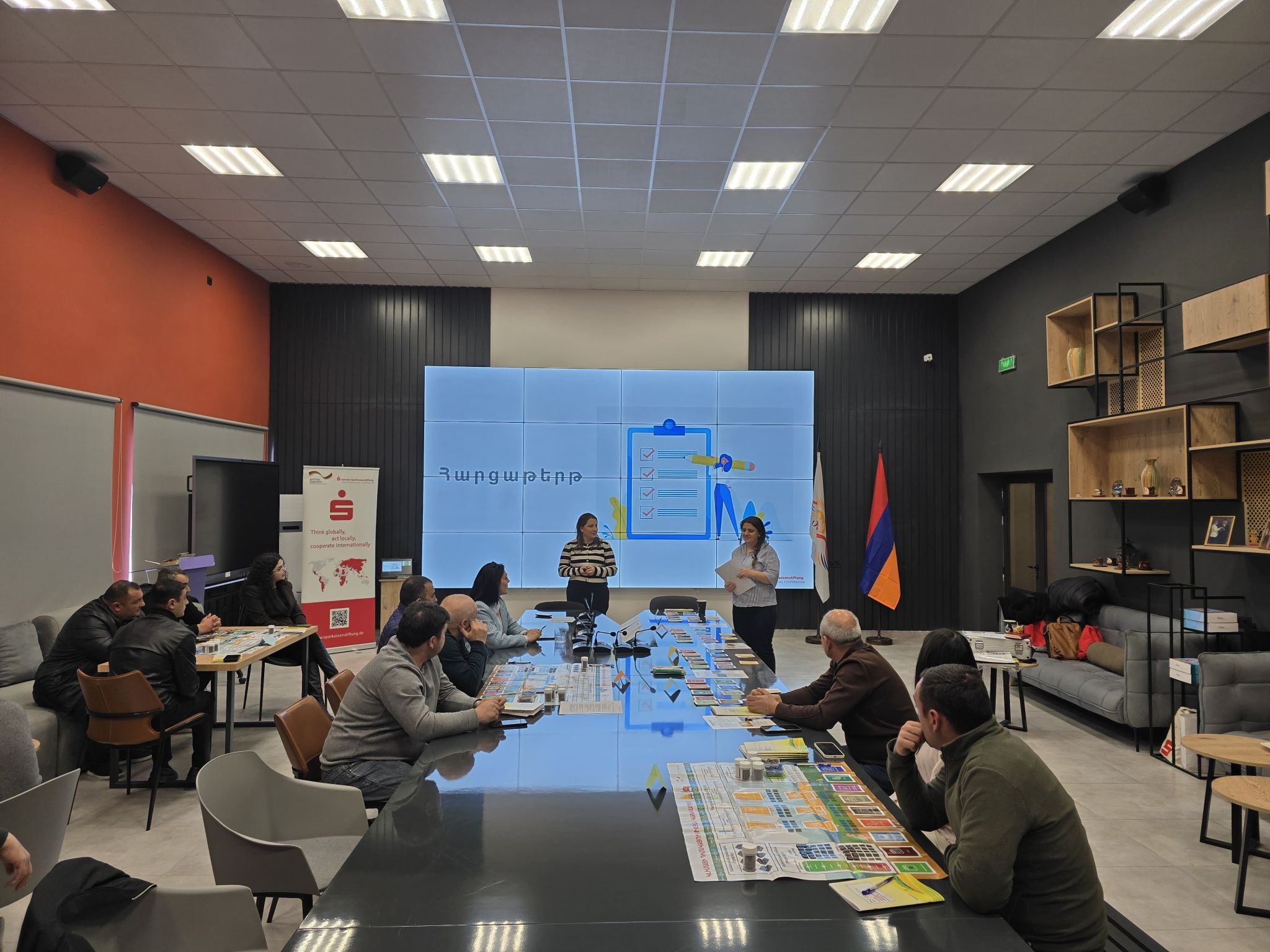
Climate resilience is more than a policy goal. it is a practical necessity for the farmers and small businesses facing increasing environmental uncertainty. Between December 2025 and March 2026, the ProGRess Training Initiative in Armenia successfully translated climate risk into actionable business strategy, proving that when resilience is taught through the lens of financial literacy, the impact is profound.
Exceeding Expectations
Implemented by Deutsche Sparkassenstiftung (DSIK) under the GIZ PROGRESS programme, the initiative delivered 16 training groups across Aragatsotn, Kotayk, Ararat, Armavir, and Yerevan. The project’s outreach significantly exceeded its initial goals:
- Farmers: Reached 215 individuals (215% of target).
- MSMEs: Reached 21 representatives (210% of target), 100% of whom were women.
A Gamified Methodology
The core of the program’s success was the Managing Climate Resilience (MCR) Business Game. Moving beyond traditional lectures, this simulation-based tool required participants to navigate a virtual farming environment. They faced climate shocks, managed limited resources, and made difficult investment trade-offs. This approach transformed "climate risk" from an abstract concept into a series of concrete economic and managerial choices.
Tailored Learning Paths
The initiative offered two distinct tracks designed to mirror adult learning logic:
- Farmer Training (3 Days): A staged approach involving orientation, simulation rounds, and specialized sessions on agricultural risk and green finance. Participants left with formal certificates and a clearer path toward diversifying crops and investing in water-saving technologies.
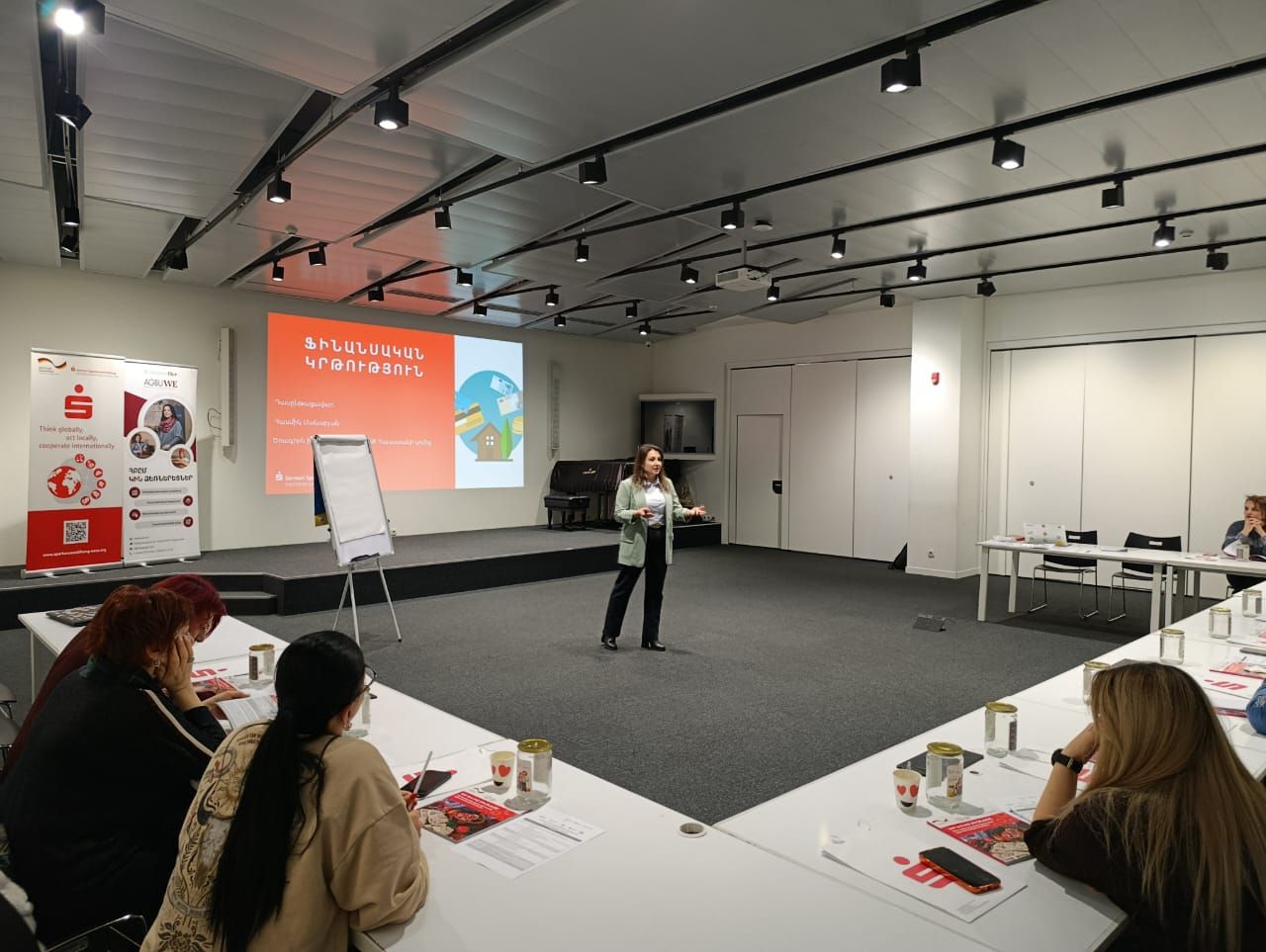
- MSME Training (1 Day): A strategic format focused on financial literacy and climate-smart investments. By framing climate resilience as a business continuity issue, the program helped female entrepreneurs link environmental awareness with practical loan repayment and taxation skills.
A Local Delivery Ecosystem
A standout feature of the Armenian experience was its partnership model. Rather than operating in isolation, the program utilized a network of municipalities, NGOs, libraries, and women-led local businesses for outreach and catering. This community-based delivery reduced organizational barriers, fostered deep trust, and ensured that the training was embedded in the local infrastructure.
The Path Forward
The results of the ProGRess initiative demonstrate a clear demand for practical, locally grounded resilience training. Pre- and post-test findings showed significant gains in participants' confidence in navigating financial systems and climate adaptation.
By connecting climate risk to everyday business decisions, Armenia has created a blueprint for applied economic preparedness. Moving forward, the goal is to scale this model to underserved regions, ensuring that resilience becomes a permanent part of how local communities plan, invest, and secure their futures.
_1777105950.jpg)
_1777105950.jpg)
_1777105950.jpg)
_1777105950.jpg)
_1777105952.jpg)
_1777105953.jpg)
_1777105953.jpg)
