
17.09.2026
Moldovan Walnut Producers Explore Climate-Smart Practices in Orchard Management, Water Use and Post-Harvest Processing in Spain and Portugal

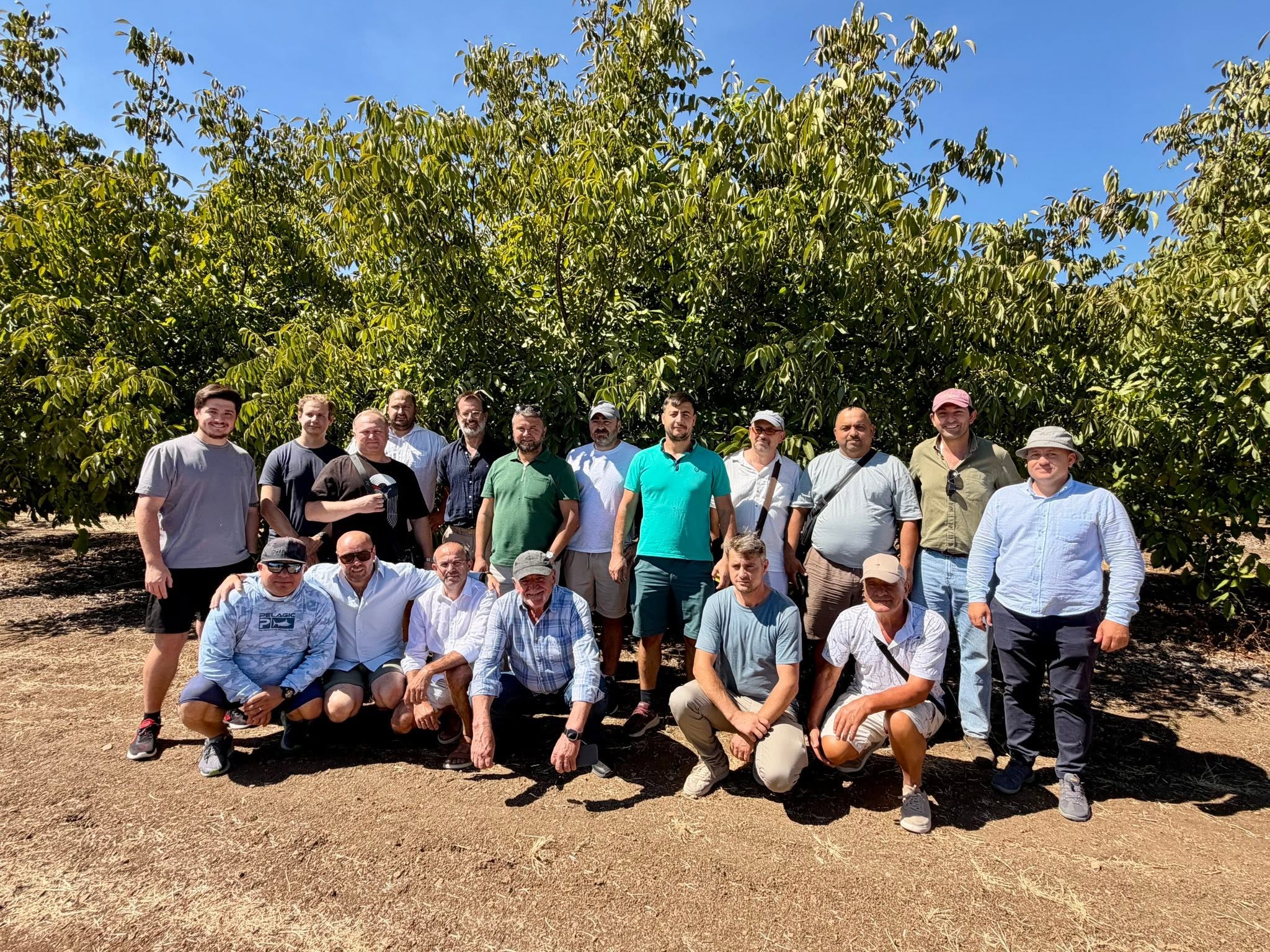
Walnut producers from the Republic of Moldova are taking part in a study visit to Spain and Portugal, exploring modern orchard management, water-efficient production practices and post-harvest technologies relevant to the development of Moldova’s walnut sector.
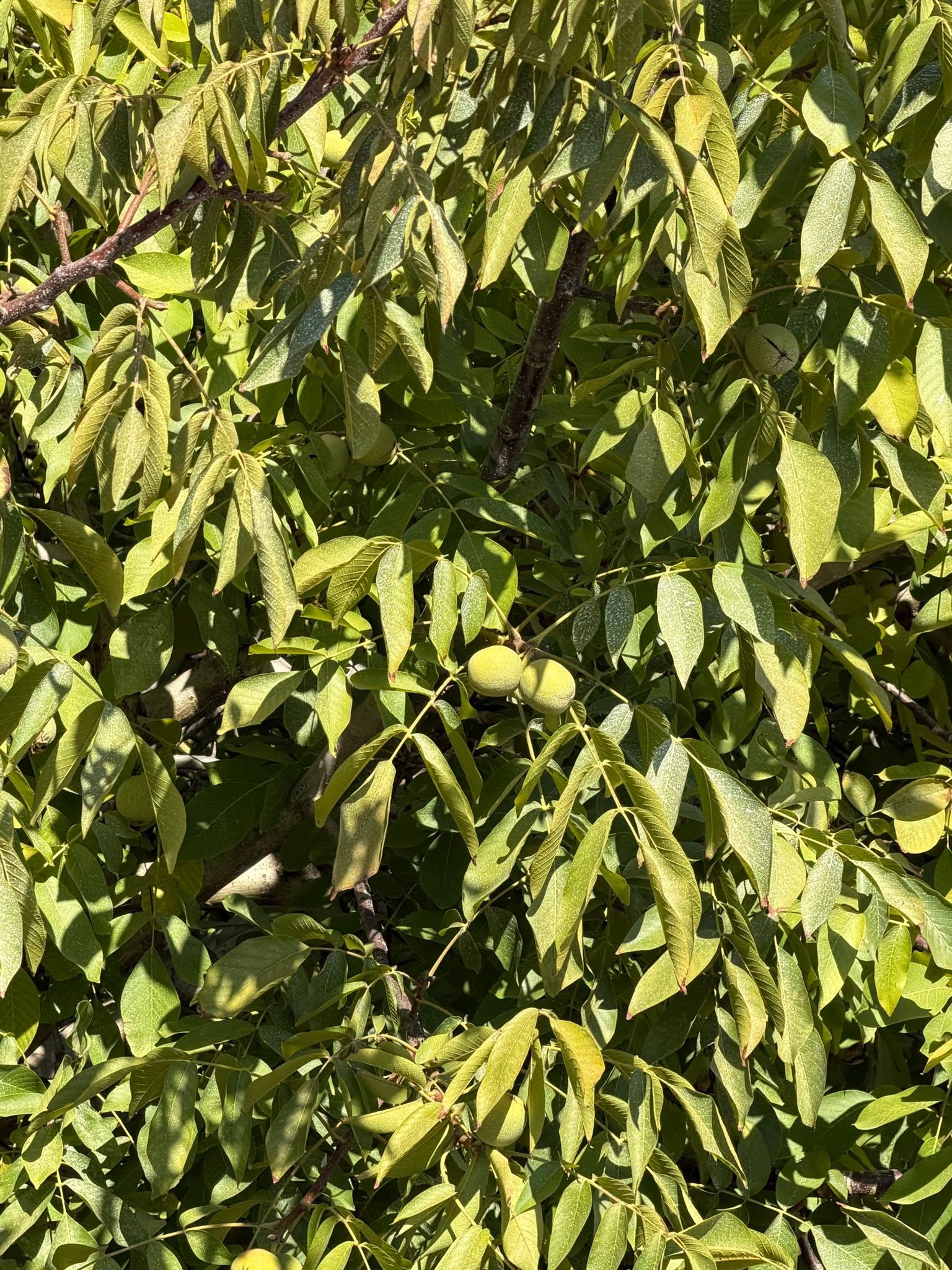
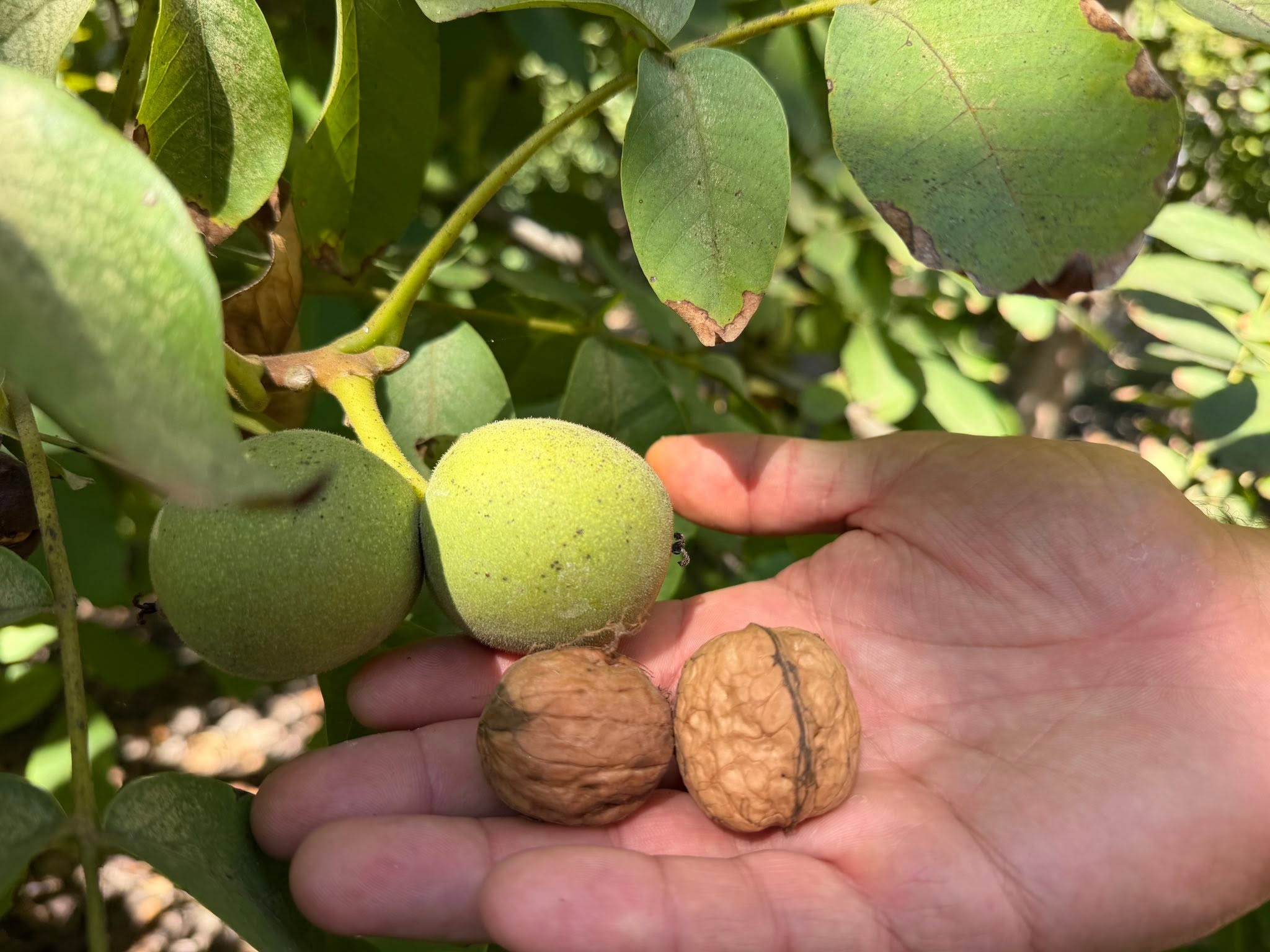
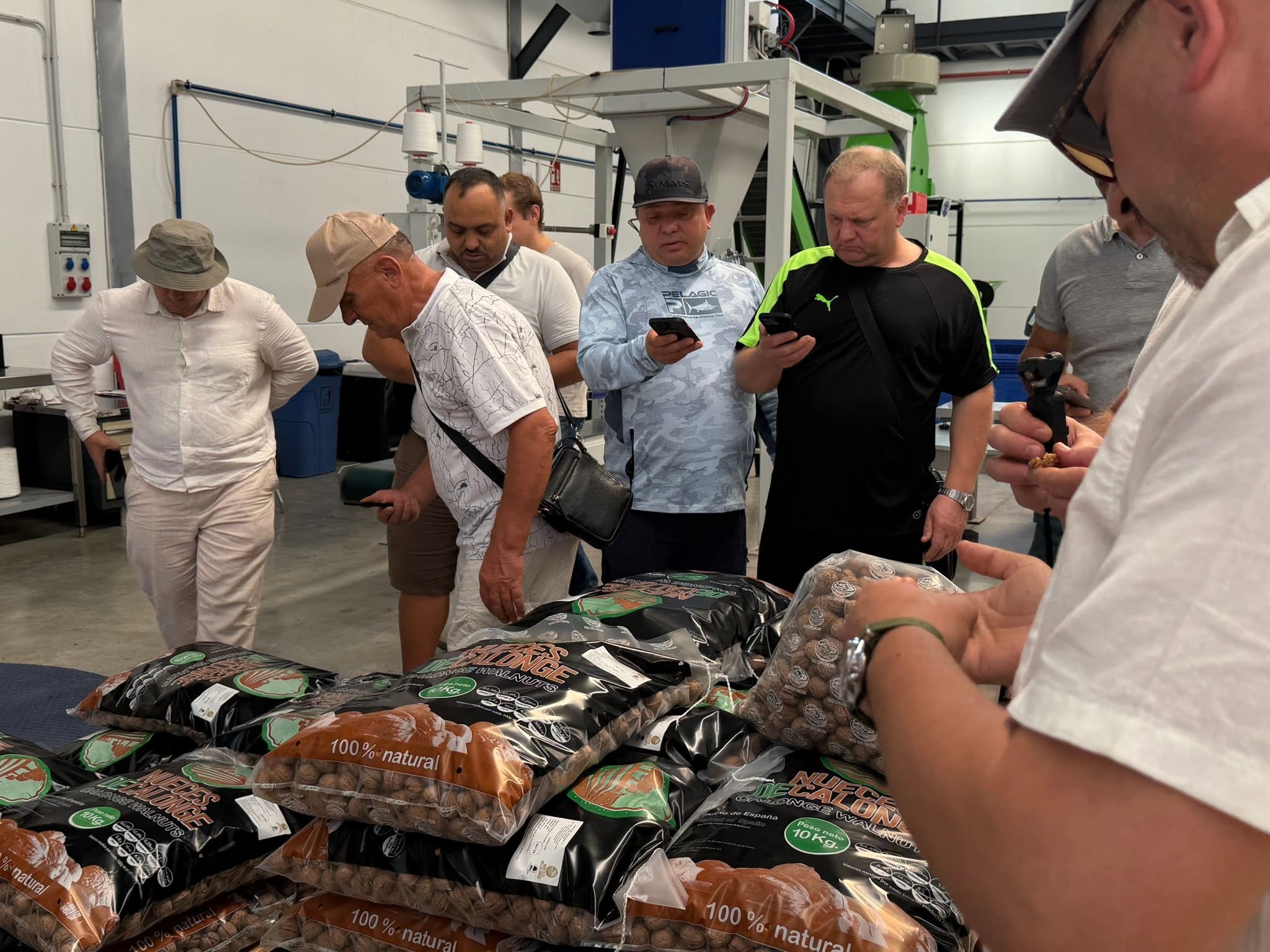
In southern Spain, the delegation visited Nueces de Calonge, a company managing more than 200 hectares of walnut orchards between Seville and Córdoba. Participants learned about orchard management practices, including cultivation technologies, plant protection and nutrition, as well as approaches to achieving high-quality production.
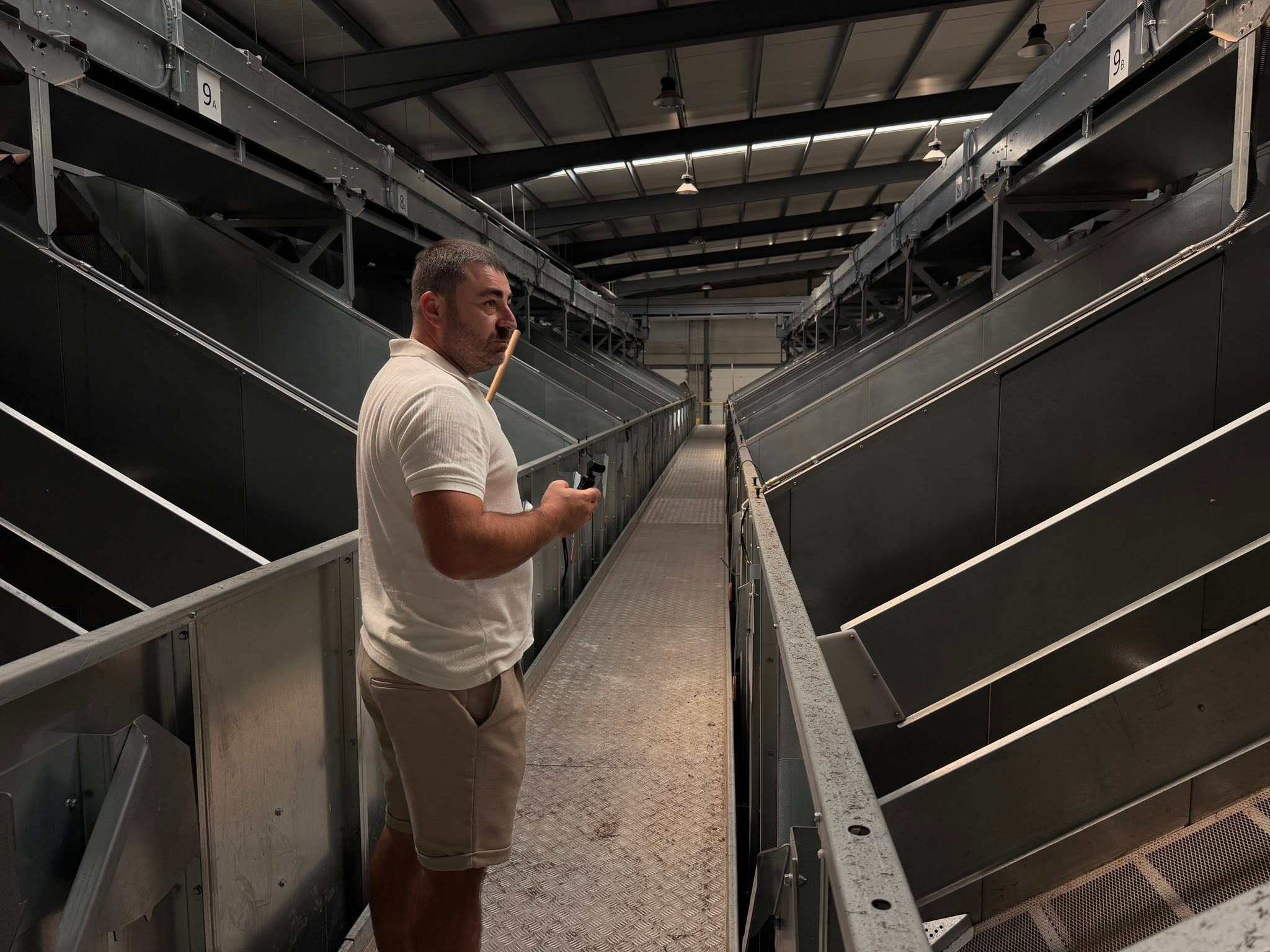
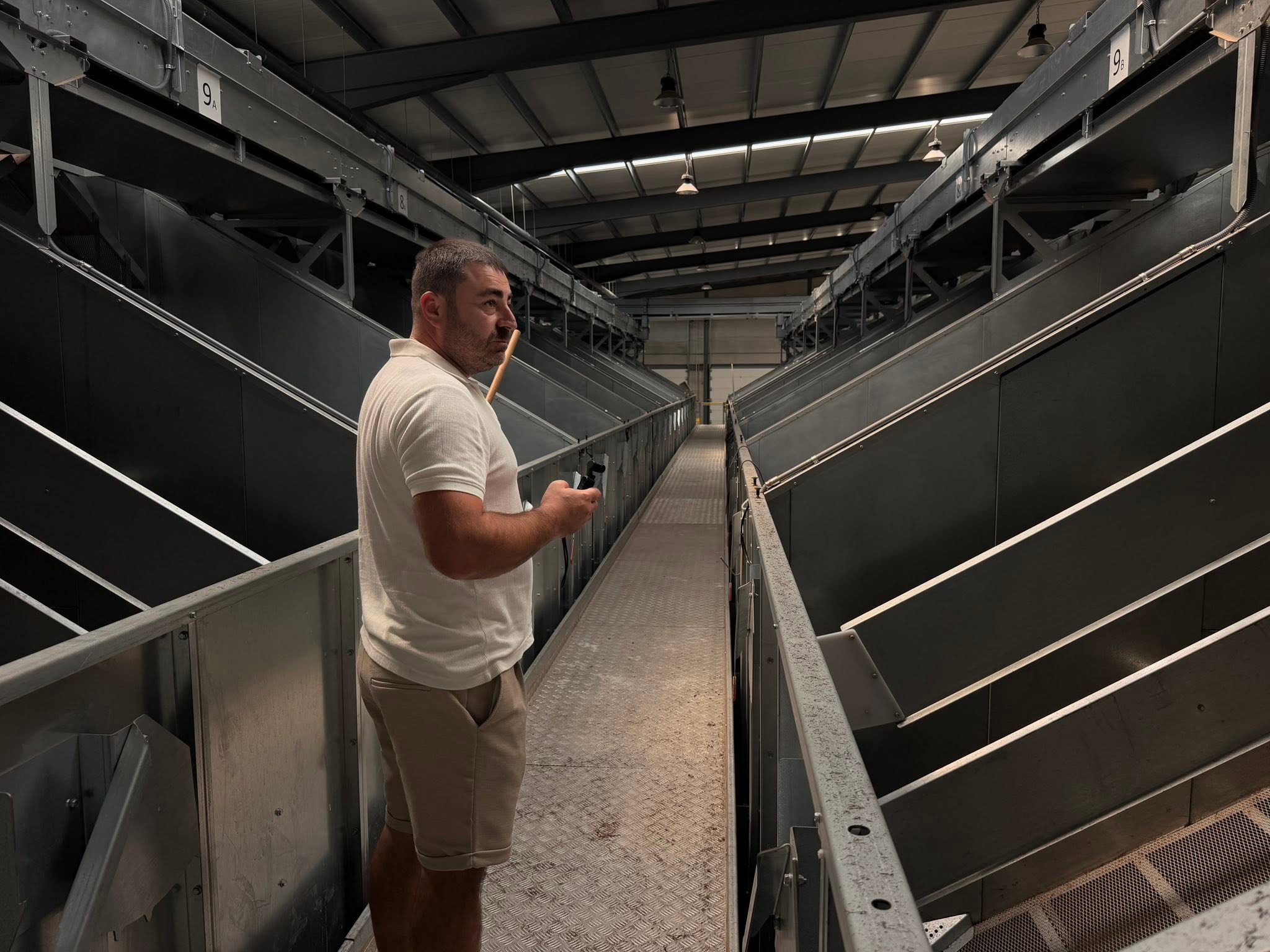
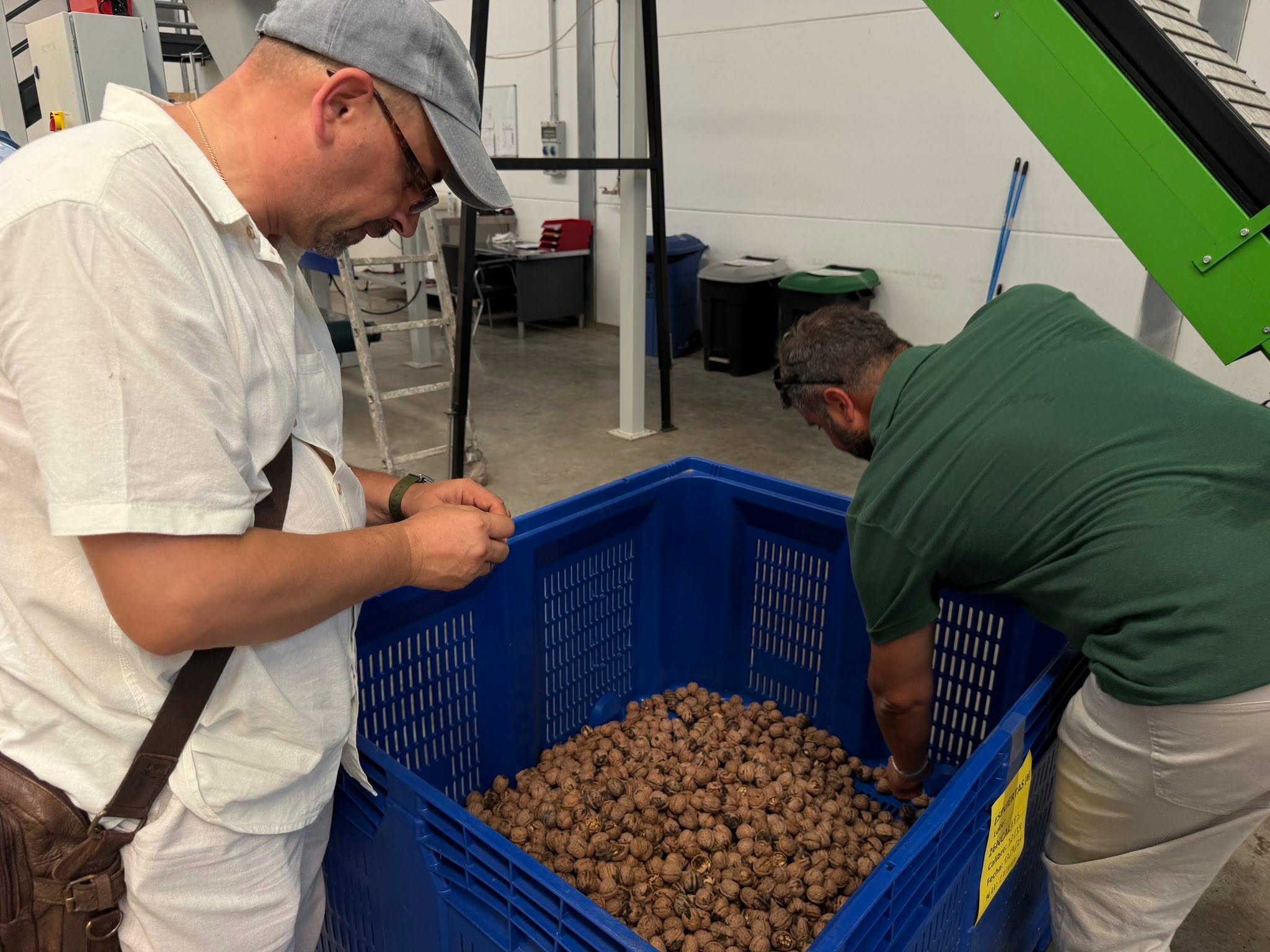
The programme also included a visit to the company’s high-capacity post-harvest processing facility. The Moldovan producers followed the processing chain from the removal of leaves and green husks through sorting and defect removal to drying and grading. The visit provided practical insights into modern technologies for improving processing efficiency while maintaining product quality.
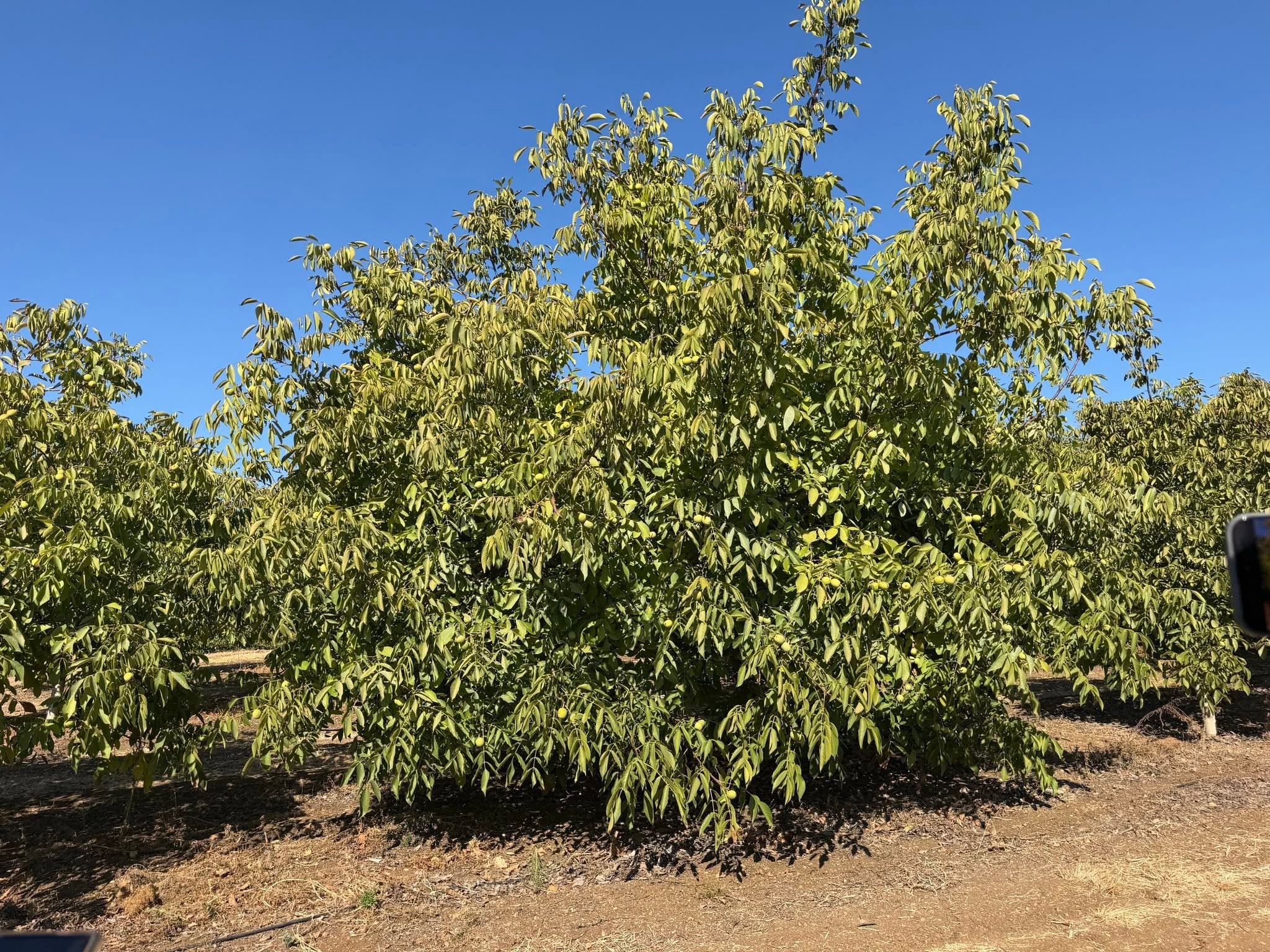
In Portugal, the delegation visited a 40-hectare commercial walnut orchard in the Évora region, established around 12 years ago with modern varieties, including Howard, Serr, Lara and Chandler. Particular attention was given to efficient water management, including automated drip irrigation, soil moisture monitoring using sensors and fertigation adapted to the different development stages of the trees.
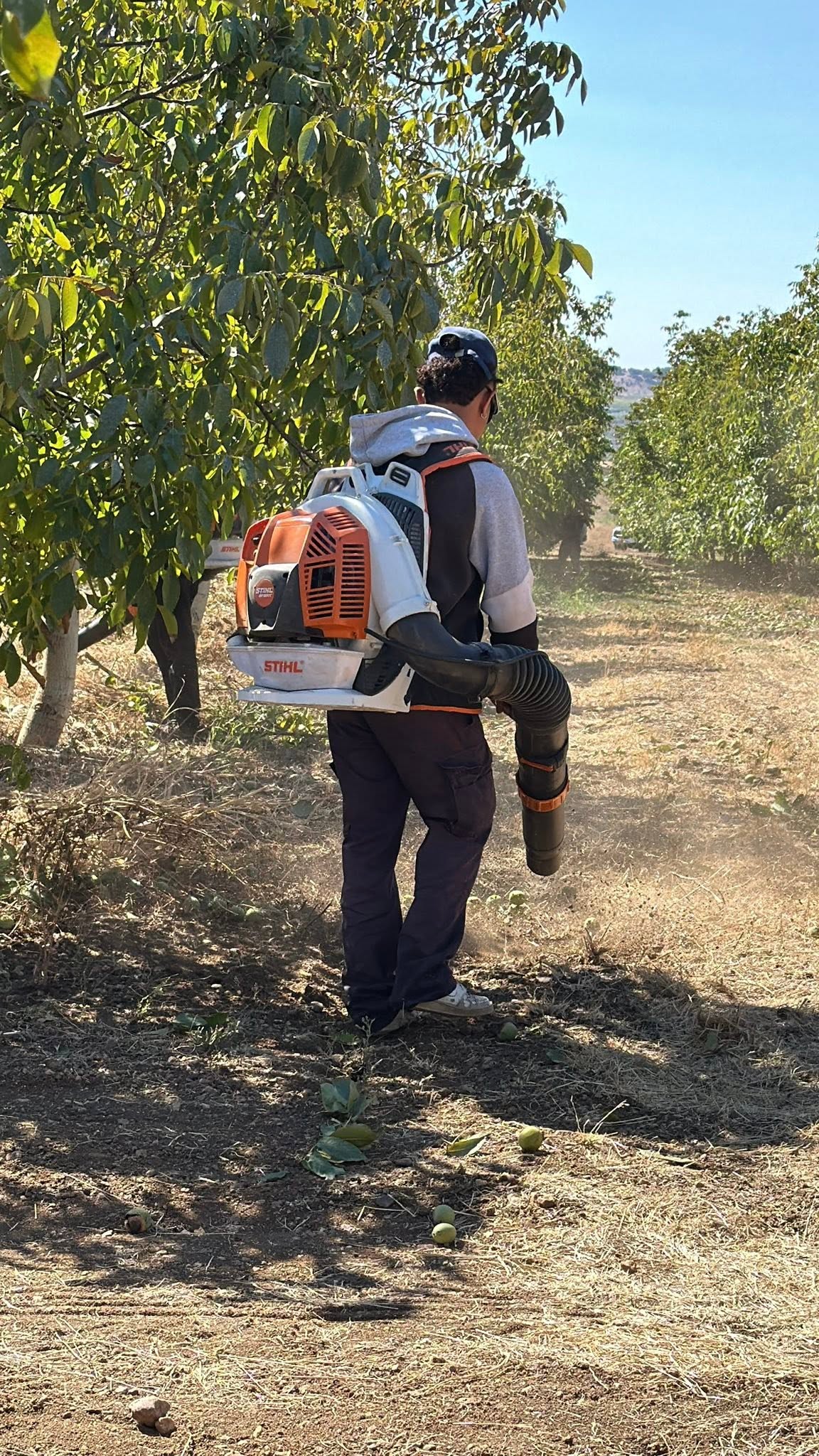
The Portuguese experience was particularly relevant for the Moldovan producers due to similarities in some climatic and production constraints. Discussions also covered variety selection, planting schemes, canopy management and harvesting practices, including semi-mechanised harvesting aimed at reducing the time walnuts remain in contact with the soil and helping preserve product quality.
Across both countries, the study visit is creating opportunities for direct exchange between Moldovan producers and European specialists, helping participants identify practical approaches and technologies that could be adapted to the Moldovan context.